8 min read
4.7
· 11,628 Amazon ratingsShare This Review
The Dragonet Prophecy by Tui T. Sutherland Review: A Thrilling, Prophecy-Driven Middle-Grade Fantasy
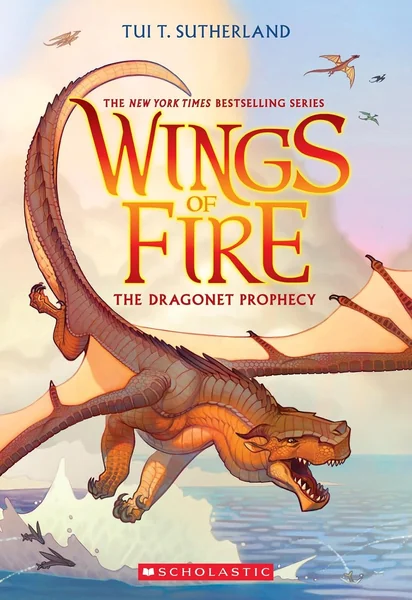
The Dragonet Prophecy launches the Wings of Fire series with five young dragons — raised in secret and enlisted against their will to end a war they never chose — delivering a fast-paced adventure built on friendship, loyalty, and the weight of unwanted destiny.
LuvemBooks Verdict
Best for
Middle-grade readers aged eight and up — especially those who love ensemble casts, elemental moral stakes, and a richly differentiated fantasy world — who are looking for a long-running series with a self-contained first arc and a found-family dynamic at its heart.
Worth it if
Worth it if you're drawn to world-building that earns its scope — where warring factions, distinct dragon tribes, and a politically charged prophecy serve as genuine story engine rather than backdrop, and where the emotional pull comes from a warmhearted ensemble navigating questions of destiny and loyalty.
Skip if
Skip it if you're seeking a fantasy premise that breaks new ground — Kirkus Reviews flags it as entertaining but not strikingly original, and readers expecting nuanced adult antagonists rather than a clean generational divide between virtuous young protagonists and broadly villainous elders may find the character palette limiting.
What readers & critics say
Kirkus Reviews calls the novel "fast-paced and detailed" and "entertaining if not terribly original," noting that adult dragons are broadly cast as untrustworthy and cruel while depth is reserved for the young dragonets. Compass Book Ratings is more enthusiastic, praising "nuanced" characters, "good writing," natural dialogue, and Sutherland's creative groundwork for a complex political and fantasy system, with strong themes of friendship, loyalty, and doing what is right.
“Fast-paced and detailed, this first installment is entertaining if not terribly original; adult dragons are all cast as untrustworthy, cruel and selfish.”
— Kirkus ReviewsAsk LuvemBooks
Was this helpful?
- Is it worth reading?
- For middle-grade readers drawn to ensemble fantasy with layered politics and a found-family dynamic, The Dragonet Prophecy is a well-constructed series opener. Kirkus Reviews describes it as "fast-paced and detailed" and "entertaining," while Compass Book Ratings highlights nuanced characters, good writing, and natural dialogue. The key caveat is that the overall fantasy premise is not strikingly original — Kirkus notes it is "not terribly original" — and adult dragon characters are broadly drawn as untrustworthy and cruel, with complexity concentrated in the young dragonets. The execution and world-building ambition, however, are consistently cited as the real differentiators, enough to have sustained a sixteen-book series.
- Similar books
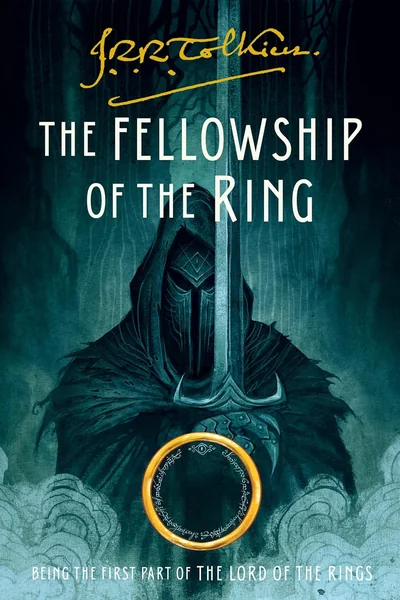
- Readers who enjoy The Dragonet Prophecy's blend of ensemble adventure, layered world-building, and young protagonists shouldering world-changing destinies will find kindred reads among the books curated below. J.R.R. Tolkien's The Fellowship of the Ring shares the epic scope of a richly detailed fantasy world and a band of unlikely companions bound together against a larger darkness. DreamBound by Tim Adams and Sam Inzerillo offers another action-driven fantasy centered on young characters navigating a world larger than themselves. Three Sticks by David R. Anderson rounds out the selection for readers drawn to adventures where loyalty and moral courage drive the plot forward.
- Who should read this?
- The Dragonet Prophecy is best suited for middle-grade readers aged eight and up — Scholastic targets the book at roughly grades three through seven — who enjoy fast-paced adventure with a large cast of differentiated characters, elemental moral stakes, and a found-family dynamic at the emotional core. A Reedsy reviewer also flags the series as rewarding for teens who enjoy longer fantasy reads. Readers drawn to ensemble fantasy with layered politics, distinct world-building, and themes of friendship and loyalty will find the series' foundational volume well-constructed for the journey ahead. Those expecting radical originality in fantasy tropes may find Kirkus's caution well-placed.
- What age is it for?
- Best for ages 8 and up. Scholastic targets The Dragonet Prophecy at readers aged eight and up, spanning roughly grades three through seven, and a Reedsy reviewer also flags the series as engaging for teens who enjoy longer fantasy reads. The combination of fast-paced action, ensemble characters, and layered world-building suits confident middle-grade readers, while the themes of fate, loyalty, and moral courage give older readers genuine substance to engage with.
- About Tui T. Sutherland
- Tui Tamara Sutherland is an American children's book author who has written more than 60 books under her own name and under several pen names.
- How is the series structured?
- Wings of Fire has grown to sixteen books, organized in arcs of five. The Dragonet Prophecy opens the first arc, and the main five-book storyline is designed to be self-contained — readers do not need the add-on volumes to follow the central plot, per a Reedsy reviewer. Those additional books enrich the world rather than require each other, making it easy for readers to decide how deeply they want to invest after completing the core arc.
- How does this compare to Wings of Fire?
- LuvemBooks has reviewed both The Dragonet Prophecy and Wings of Fire by Tui T. Sutherland, which share the same richly imagined world of Pyrrhia and the same ensemble-driven storytelling approach. The Dragonet Prophecy is the foundational volume — it introduces Clay, the five dragonets, the Talons of Peace, and the ancient prophecy that drives the series — while the broader Wings of Fire series expands the world, the political stakes, and the cast across multiple arcs and perspectives.
Summarize this book
Follow up
Synthesized from verified book data & published reviews · How we review
Press Enter to ask. Answers come from our editorial Q&A — start typing to see related questions.
Age & Reading Level
Recommended age
Ages 8–12
Reading level
Middle grade
3 content notes · who it suits
Content to know about
Best for: Ages 8+ — the combination of fast-paced action, layered political world-building, and ensemble storytelling suits confident middle-grade readers in roughly grades three through seven.
Skip if you're looking for fantasy with complex, morally nuanced adult characters alongside the young protagonists.
Our Review
What the Book Is and What It Sets in Motion
World-Building and the Architecture of Pyrrhia
Reception and Series Stature
The Heart of the Story: Clay and His Fellow Dragonets
Who This Book Is For and Where It Fits
Sources & Further Reading
The key facts and claims in this review are grounded in the retrieved, verified sources listed below.
- Cited in this review
- 1
barnesandnoble.com
- Further reading
- 2
Tui T. Sutherland, Wikipedia
- 3
kirkusreviews.com
- 4
tuibooks.com
- 5
- 6
compassbookratings.com
- 7
- 8
kids.scholastic.com
- 9
summarybook.net
Books like The Dragonet Prophecy
Curated picks for readers who enjoyed The Dragonet Prophecy, with our reasoning for each match.
If you liked The Dragonet Prophecy