8 min read
4.4
· 756 Amazon ratingsShare This Review

Our review
Becoming Hook
Becoming Hook: A Villainous Peter Pan Retelling by Mary Mecham Review: A Morally Grey Origin Story Worth Discovering
Becoming Hook by Mary Mecham is the first book in the Legends of Neverland series, reimagining James Hook not as a born villain but as Peter Pan's original Lost Boy — a young man who uncovers the truth that his "hero" has been kidnapping innocent children. The novel's premise is its sharpest selling point: flipping Pan from savior to predator and Hook from villain to reluctant rescuer is a genuinely fresh angle on a well-worn fairy tale.
LuvemBooks Verdict
Best for
Readers aged 14 and up who are drawn to villain-redemption arcs and want a structurally inventive Peter Pan retelling that centres high-stakes adventure over romance.
Worth it if
Worth reading if you're intrigued by retellings that genuinely interrogate who the hero is — positioning Peter Pan as the true threat and Hook as the morally grey protagonist fighting to do right.
Skip if
Skip it if you're picking it up primarily for the Hook-and-Tinkerbell romance, or if you invest heavily in ensemble casts, as the romantic thread is slow to develop and side characters are noted as underdeveloped.
What readers & critics say
Reviewer Sharayah Maurice (sharayahmaurice.com) recommends it to fans of reimagined villains, slow-burn romance, and clean fantasy adventure. A reader on The StoryGraph (beta.thestorygraph.com) describes it as a fast-paced, high-stakes retelling unlike any other Peter Pan story, praising the plot twists and noting they found themselves cheering for Captain Hook.
Sources: sharayahmaurice.com, The StoryGraphAsk LuvemBooks
Was this helpful?
- Is it worth reading?
- For readers drawn to villain-redemption arcs or retellings that genuinely interrogate the source material's assumptions, Becoming Hook offers a specific and well-executed niche within a crowded genre. The central inversion — positioning Peter Pan as Neverland's greatest threat and Hook as the reluctant rescuer — gives the familiar setting an entirely different charge, and at least one Amazon reviewer noted being 'hooked from page one,' specifically praising Hook as 'morally grey and extremely likeable.' The key caveat is ensemble depth: one reviewer observed that the side characters could have been developed further, meaning the book's strength is concentrated in Hook himself rather than distributed across Neverland's wider cast. Readers arriving for the fairy tale retelling angle rather than a romance-first experience are better positioned to enjoy how the story is actually structured.
- Similar books
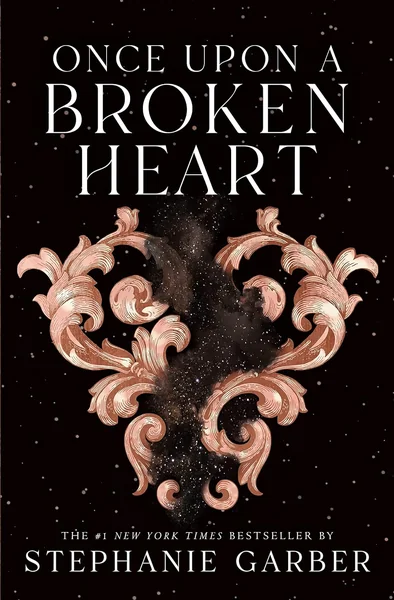
- Readers who enjoy Becoming Hook's blend of fairy tale deconstruction and morally complex protagonists have a rich field to explore. Christina Henry's Lost Boy covers similar territory by retelling the Peter Pan myth from a darkened, villain-origin angle. Jodi Lynn Anderson's Tiger Lily and Brom's The Child Thief are further Peter Pan retellings that interrogate the source material's assumptions — Tiger Lily with lyrical emotional depth, The Child Thief with significantly darker, graphic horror. For readers who enjoy the broader villain-redemption and romantasy space, Marissa Meyer's Heartless and Stephanie Garber's Once Upon a Broken Heart offer fairy tale retellings centered on morally complex, often sympathetic antagonists — Once Upon a Broken Heart is available in the LuvemBooks catalogue.
- Who should read this?
- Becoming Hook is best suited to young adult readers and older who enjoy clean, adventure-forward romance and have an appetite for retellings that genuinely challenge the source material's moral framework. Readers who invest heavily in villain-redemption arcs or morally grey protagonists — and who come for the fairy tale deconstruction angle rather than a romance-first experience — are the best-positioned audience. Those who prioritize rich ensemble casts may find the side characters thinner than they'd like, as the book's character work is concentrated in Hook himself.
- What age is it for?
- Best for ages 14 and up, consistent with the publisher's stated target audience. The novel features high-stakes adventure, themes of betrayal and kidnapping, and a clean romance — Mecham characterizes it as 'high swoon, no spice' — making it accessible to confident teen readers while remaining engaging for adult fans of YA fantasy and fairy tale retellings.
- About Mary Mecham
- Mary Mecham is a fantasy author known for Becoming Hook, a reimagining that explores the character of Captain Hook through a fresh narrative lens. The novel demonstrates her interest in reframing classic figures within the fantasy genre.
- What are the main themes?
- The central theme is moral inversion: Becoming Hook asks readers to reconsider who the hero and villain of a familiar story really are, positioning Peter Pan as Neverland's true predator and Hook as the figure with genuine moral purpose. Alongside that structural reversal, the novel explores betrayal — Hook's reckoning with the truth about Pan, whom he trusted as a companion — and redemption, tracing Hook's transformation from a lost boy into a reluctant rescuer. The romance between Hook and Tinkerbell adds a thread about loyalty and growing trust under high-stakes circumstances.
Summarize this book
Follow up
Synthesized from verified book data & published reviews · How we review
Press Enter to ask. Answers come from our editorial Q&A — start typing to see related questions.
Our Review
What the Story Actually Is
The Retelling's Core Ingenuity
Mecham's Style and Genre Position
Where the Book Has Limitations
Who This Book Is For
Sources & Further Reading
The key facts and claims in this review are grounded in the retrieved, verified sources listed below.
- Cited in this review
- 1
books2read.com
- 2
marymecham.com
- Further reading
- 3
Age & Reading Level
Recommended age
Ages 12–18
Reading level
Young adult
Heat level
No sex scenes · author describes it as 'high swoon, no spice' — no sexual content
Tropes
From how readers and romance sites describe it, not our own reading.
3 content notes · who it suits
Content to know about
Best for: Ages 14+ — publisher-stated minimum; the novel's high-stakes adventure, themes of child kidnapping, and moral complexity suit confident teen readers and older
Skip if you want a romance-first narrative where the central relationship drives the plot from the opening chapters
Reader reviews
Be one of the first readers to answer.
Read it? Was it right for you?
Books like Becoming Hook
Curated picks for readers who enjoyed Becoming Hook, with our reasoning for each match.

If you liked Becoming Hook