Skip to content
Reviewed

Read Time

7 min read

Reader rating
4.2 · 2,561 Amazon ratings, as of Nov 2026
reader ratings, not a LuvemBooks score
Curated & edited by

LuvemBooks Editorial

How we create our reviews →
Share This Review
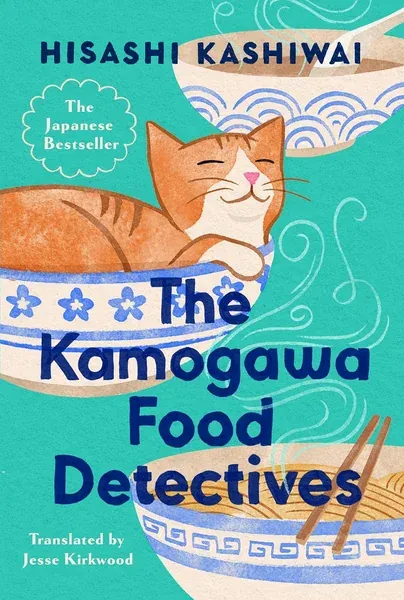
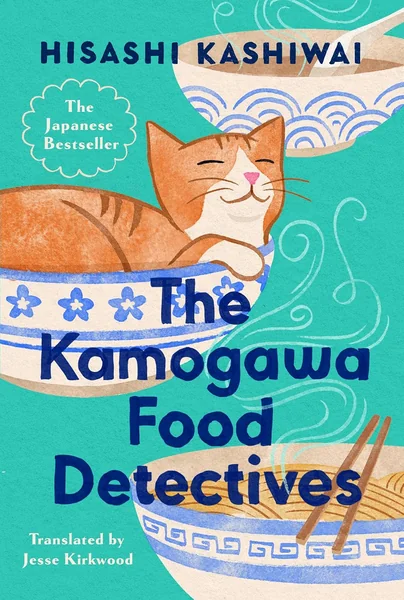
The Kamogawa Food Detectives (A Kamogawa Food Detectives Novel) by Hisashi Kashiwai front cover

Our review

The Kamogawa Food Detectives

The Kamogawa Food Detectives Review: A Nostalgic Culinary Mystery (Hisashi Kashiwai)

Hisashi Kashiwai’s 2024 English book offers a comforting collection of low-stakes culinary mysteries centered on memory and loss. Readers seeking brisk plots or character growth may find the ritualistic pacing and static protagonists a limitation.

Our age band: Ages 16+grief · loss

LuvemBooks Verdict

Best for

For readers who enjoy atmospheric, low-stakes mysteries and have a deep passion for Japanese cuisine, this comforting anthology delivers intricate, authentic recipes and a warm father-daughter anchor.

Worth it if

Worth reading if you want a comforting, food-forward collection where each emotional case stands alone and the pair provides a delightful, consistent anchor.

Skip if

Skip it if you prefer dynamic character arcs, rapidly evolving plotlines, or traditional whodunits with dead bodies and poison, as the ritualistic structure and static protagonists may feel repetitive and unengaging.

Where reviewers agree and split

Readers rate it 4.2 on Amazon. The reviews we read that discuss it in depth split on some points:

  • Positive

    NPR · Press review: charming mystery unlocked through nostalgic, reconstructed meals (from its headline)

  • Mixed

    Bookreporter · Magazine: praises food and mystery but critiques the lack of romance

  • Positive

    Books of Brilliance · Book blog: warm recommendation for food lovers seeking feel-good stories

  • Positive

    Righter of Words · Book blog: sweet, uplifting collection of heartwarming food stories

  • Positive · 4 cups

    The Lily Cafe · Book blog: charming, nostalgic collection with authentic cultural details

    Overall verdicts are our summary of each review we read, from its headline, rating and conclusion.

    NPR praised the novel as charming. Books of Brilliance and Righter of Words echoed the positive reception, highlighting the sweet, uplifting themes and the author's evident passion for regional Japanese cuisine.

    Sources: NPR, Bookreporter, Books of Brilliance, Righter of Words
    4.2from 2,561 Amazon ratings, as of Nov 2026— reader ratings, not a LuvemBooks score

    Asawari from The Reading Lamp reviews The Kamogawa Food Detectives

    Asawari from The Reading Lamp gives a thorough, spoiler-free review and 4.5-star rating of Hisashi Kashiwai's The Kamogawa Food Detectives.

    A BookTube review by The Reading Lamp, 2024 · 403 views · 893 subscribers · Watch on YouTube ·

    Their views, not ours. The points are our AI summary of what they say, each playing from where they say it.

    Vivid descriptions of Japanese cuisine

    Asawari cautions against reading while hungry, as the book is filled with richly detailed food descriptions that kept them drooling throughout.

    Accessible to newcomers of Japanese food

    Even without extensive knowledge of Japanese cooking, readers can easily appreciate how the stories explore emotional bonds formed over meals.

    Logic behind the culinary deductions

    Asawari found the detective's reasoning behind identifying recipes and origins sometimes hard to believe or digest from a logical standpoint.

    Short story format limits character development

    Because each chapter focuses on a separate case, Asawari noted that character development is sparse and left them wishing to learn more about some individuals.

    Ask LuvemBooks

    Was this helpful?

    A comforting anthology of low-stakes culinary mysteries centered on memory and loss, the book follows a pair in Kyoto who help clients track down lost recipes. While praised for its authentic food descriptions and warm emotional anchor, The Kamogawa Food Detectives may not appeal to readers seeking brisk plots or traditional character growth.
    Is it worth reading?
    It is worth reading if you seek a comforting, food-forward collection. However, some readers may find the ritualistic structure repetitive.
    Similar books
    Fans of nostalgic comfort mysteries will appreciate comparisons to Before the Coffee Gets Cold. For readers who prefer cozy mysteries, this series pairs well with The Thursday Murder Club, The Great Hippopotamus Hotel, Death and Croissants, and The Sweetness at the Bottom of the Pie. Those who found the premise too slow might enjoy the brisk procedural energy of Finlay Donovan Is Killing It instead.
    Who should read this?
    This anthology suits readers who like mysteries and have a strong interest in Japanese cuisine and culinary history. It also appeals to those who value emotional resonance and warmth over plot twists or traditional suspense.
    What age is it for?
    Written for adults, the book explores themes of grief, regret, and unresolved adult relationships that require mature comprehension. It avoids explicit content but focuses on complex emotional journeys, making it appropriate for mature readers.
    What are the main themes?
    The narrative explores memory, loss, and the emotional weight of food as a catalyst for processing grief. It highlights the enduring bond between a father and daughter, using culinary traditions to bridge past and present. The anthology structure also touches on nostalgia and the comfort of shared meals.
    Is the pacing repetitive?
    Reviewers note that the plot follows a highly structured approach, which may not suit mystery readers seeking dynamic development. The protagonists remain in a static emotional stasis without traditional growth, prioritizing atmosphere and culinary detail.
    What are the culinary highlights?
    The book introduces readers to authentic regional and seasonal Japanese dishes, including glazed sea bream, marinated shad, and a nostalgic spaghetti and hot dog combination reflecting post-war cultural fusion. Reviewers praise the dedication the author brings to these culinary descriptions.
    Summarize this book

    Summarize this book

    Set in a quiet Kyoto backstreet, the book follows Nagare Kamogawa and his daughter Koishi, who run a tucked-away restaurant that doubles as a detective agency. They rely on meticulous research and culinary deduction to recover recipes from the past. The narrative unfolds as an anthology of interrelated short stories, where each emotional case stands alone.

    Follow up

    Is this part of a series?
    How long does it take to read?

    Synthesized from verified book data & published reviews · How we review

    Ask LuvemBooks

    What would you like to know about The Kamogawa Food Detectives?

    Answers come from our editorial notes on this book. If we haven't covered something, we'll say so.

    Readers often ask

    Our Review

    We review the evidence: reader verdicts, gathered and weighed with AI assistance and edited by LuvemBooks, rather than one reader's first-hand take.
    Hisashi Kashiwai’s 2024 English book offers a comforting collection of low-stakes culinary mysteries centered on memory and loss. Readers seeking brisk plots or character growth may find the ritualistic pacing and static protagonists a limitation.
    The Kamogawa Food Detectives (A Kamogawa Food Detectives Novel) by Hisashi Kashiwai front cover
    The Kamogawa Food Detectives (A Kamogawa Food Detectives Novel) by Hisashi Kashiwai front cover

    The Premise and Structure of the Kamogawa Diner

    Down a quiet backstreet in Kyoto, Nagare Kamogawa and his daughter Koishi run a tucked-away restaurant that doubles as a specialized detective agency. They operate as a father-daughter duo who help clients track down lost recipes from their past through meticulous research and culinary deduction.
    The book is structured as a collection of interrelated short stories rather than a continuous narrative, allowing each case to stand alone. Each vignette follows a different patron who arrives at the Kamogawa Diner seeking a specific dish that holds deep sentimental value.
    They describe a significant but hazily remembered meal, and the Kamogawas use their culinary expertise to recreate it exactly.

    The Healing Power of Taste

    The diner serves as a venue for what one outlet described as "taste therapy" for its patrons who are struggling with unresolved emotions. Clients seek out the establishment because their elusive memories cannot be accessed through conventional means or simple nostalgia.
    The reconstructed meals act as keys to unlocking mysteries of memory and regret, often forcing the diners to confront difficult truths. Bookreporter noted that the author describes the sumptuous dishes with "passionate, devoted love" that elevates the culinary descriptions beyond mere exposition.
    The food itself becomes a catalyst for emotional breakthroughs, allowing the customers to process their grief and move forward in their lives.

    Strengths of the Culinary World-Building

    The series brings a distinct Japanese setting to the English-language mystery genre, offering readers a window into regional and seasonal ingredients. Reviewers praised the detailed geography and the focus on authentic culinary traditions that are rarely explored in Western fiction.
    The book introduces readers to dishes like glazed sea bream, marinated shad, and a nostalgic spaghetti and hot dog combination that reflects post-war cultural fusion. The narrative captures authentic customs without losing its warmth in translation, creating a highly immersive reading experience.
    The bond between Nagare and Koishi provides a delightful, consistent anchor throughout the varied cases, grounding the surreal premise in genuine familial affection.

    Who Will Find It Frustrating

    The ritualistic nature of the plot may feel repetitive to readers who prefer dynamic character arcs and rapidly evolving plotlines. One magazine reviewer pointed out that the characters remain in a sort of fictional stasis and do not change as the series progresses.
    The protagonist Koishi is noted for not growing, changing, or finding a romantic partner, which might disappoint readers seeking a traditional romance subplot. The sparse descriptions of the diner's interior might also leave some readers craving more atmospheric detail about the physical space.
    Those looking for traditional whodunits with dead bodies or poison will likely find the low-stakes premise unengaging and overly slow.

    Our Take: Is It Worth Reading?

    Weighing these reviews, the book succeeds as a comforting, food-forward anthology rather than a gripping procedural that relies on suspense. It points directly toward readers who enjoy atmospheric, low-stakes mysteries and have a deep passion for Japanese cuisine and culinary history.
    The series invites comparison to the nostalgic comfort of Before the Coffee Gets Cold, appealing to those who value emotional resonance over plot twists. It is an ideal match for those who appreciate literature that treats a shared meal as a profound emotional experience and a bridge to the past.

    Sources & Further Reading

    The key facts and claims in this review are grounded in the retrieved, verified sources listed below.

    1. Cited in this review
    2. 1
    3. Further reading
    4. 2
    5. 3
    6. 4
    7. 5
    8. 6
    9. 7

    Age & Reading Level

    Our age band

    Ages 16+

    Reading level

    Older teens & adults

    Our age band groups books for browsing; it isn't an age a review gave.

    Content to know about

    grief
    loss
    unresolved adult relationships

    Best for: Adults 16+ — themes of grief and unresolved adult relationships

    Skip if you prefer dynamic character arcs, rapidly evolving plotlines, or traditional whodunits with dead bodies and poison

    From our readers

    Reader reviews

    No LuvemBooks readers have answered yet.

    Read it? Was it right for you?

    Discussion

    Reader comments