BOOKS
Published
Read Time
3 min read
Share This Review
Everything's Good by Toni Chapman Review: A Cozy, New York Times Bestselling Comfort Cookbook
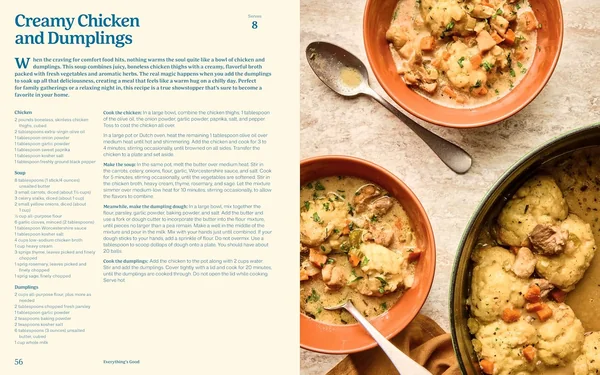
Toni Chapman's Everything's Good: Cozy Classics You'll Cook Always and Forever is a New York Times bestseller from Clarkson Potter, collecting 100 comfort-food recipes that draw on family traditions, Southern staples, and homestyle classics — designed to impress without the stress. This review assesses the book's content, organisation, and published reception, not a kitchen test.
In This Review
- What Works & What Doesn't
- What the Book Actually Is
- Chapman's Culinary Voice and Its Origins
- Reception and Endorsements
- Design Intent and Accessibility
- Who This Book Is For — and Where It Has Limits
What Works & What Doesn't
What Works
- A New York Times bestseller, confirming strong commercial and reader reception at launch
- 100 recipes spanning Puerto Rican family traditions, Southern staples, and modern comfort-food classics — a genuinely diverse range within a unified voice
- Explicitly designed to impress without demanding stress or advanced technique, making it accessible for a wide range of home cooks
- Grounded in a specific, personal culinary biography — Chapman's Miami-based, multicultural family background gives the book a coherent and distinctive voice
- Enthusiastically endorsed by peers including award-winning cookbook authors Jocelyn Delk Adams and Adrianna Adarme
What Doesn't
- Readers seeking a deep, single-cuisine focus will find the collection intentionally wide-ranging rather than specialist
- The book's accessible, stress-free design philosophy means it is not aimed at experienced cooks looking for technical challenge or advanced culinary instruction
A New York Times bestseller built on the premise that great comfort food should feel both personal and achievable, Everything's Good delivers on its title's promise according to the record around its publication.

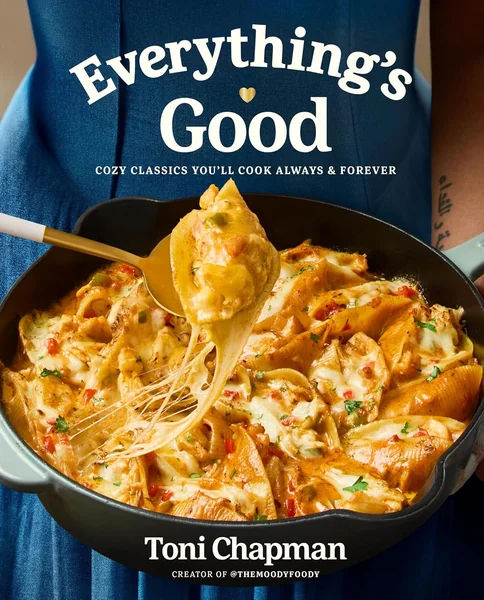
Everything's Good: Cozy Classics You'll Cook Always and Forever: A Cookbook by Toni Chapman front cover
What the Book Actually Is
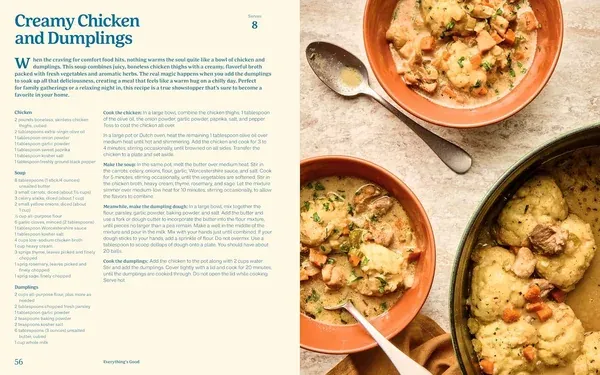
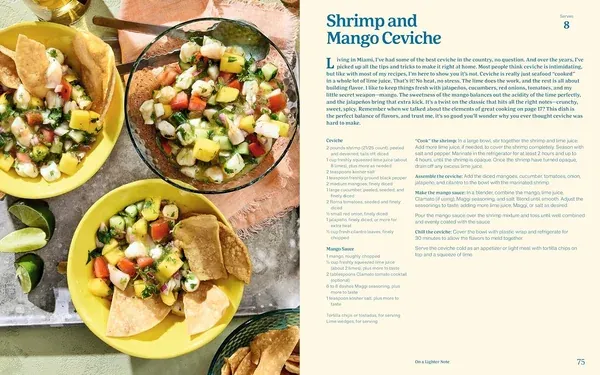
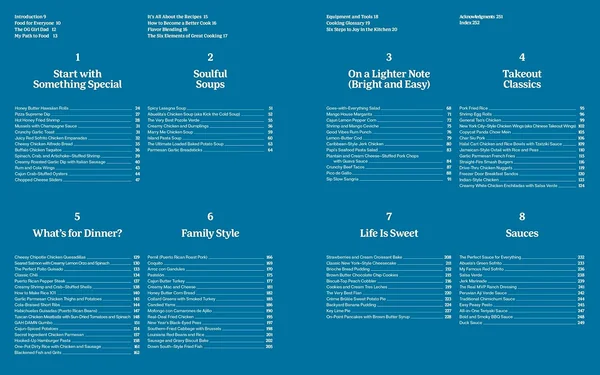
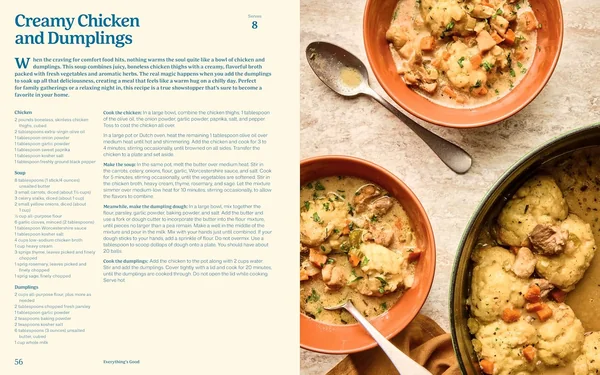
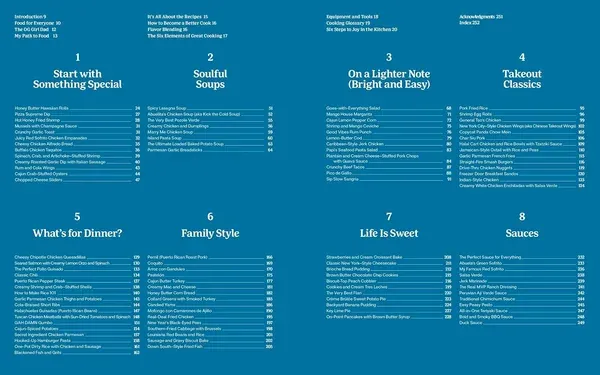
Everything's Good: Cozy Classics You'll Cook Always and Forever is a 100-recipe hardcover cookbook published by Clarkson Potter in October 2025, written by Toni Chapman — the Miami-based social media creator behind the popular platform The Moody Foody. The book's stated mission is to bring nostalgic, flavorful comfort food to the home table, drawing on what the publisher describes as "the beautiful intersectionality of food and family." Chapman organises the collection around three distinct recipe streams: dishes passed down through her family (such as Pollo Guisado, a Puerto Rican chicken stew), Southern staples she grew up eating (including Honey Butter Corn Bread), and her own takes on familiar classics, like Creamy White Chicken Enchiladas with Salsa Verde. Rum and Cola Wings round out a sample of the more inventive, contemporary offerings. The recipes are described by the publisher as designed to impress without the stress — explicitly pitched at home cooks who want flavourful results without demanding technique.
“framing the book as a trustworthy kitchen resource. Adrianna Adarme, author of The Year of Cozy, called it”
Chapman's Culinary Voice and Its Origins
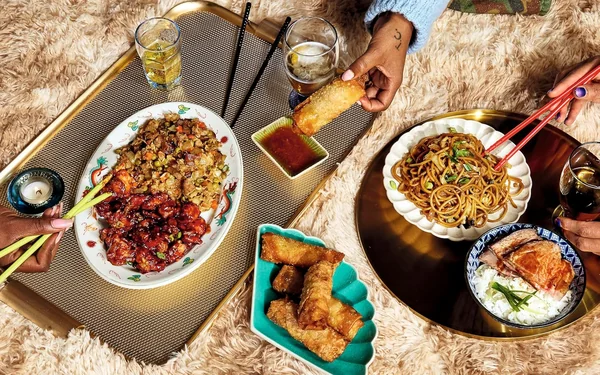
What distinguishes Everything's Good from the wider comfort-food cookbook field is the specificity of Chapman's background. Her cooking is rooted in a family that has always cooked together, and that inheritance is reflected in the range of the book's recipes — Puerto Rican traditions sit alongside Southern Americana and takeout-inspired classics, reflecting Chapman's multicultural culinary upbringing. Based in Miami, she also incorporates influences from a life spent cooking, entertaining, and travelling. The publisher frames this as homestyle cooking with a personal stamp: not a survey of global cuisines, but an honest record of one cook's kitchen life and the people who shaped it. That through-line gives the book a coherence of voice that differentiates it from more genre-generic comfort-food collections.
Reception and Endorsements
The book debuted as a New York Times bestseller, a benchmark that places it among the most commercially successful cookbooks of its publishing season. Peer endorsements from within the cookbook world are notably strong. Jocelyn Delk Adams — television host and award-winning author of Grandbaby Cakes and Everyday Grand — wrote that Chapman "means it and delivers," framing the book as a trustworthy kitchen resource. Adrianna Adarme, author of The Year of Cozy, called it "that cozy classic you'll keep coming back to — today, tomorrow, forever," singling out specific recipes including The Perfect Pollo Guisado and praising the book's "vibrant and beautiful pages." Both endorsements, sourced from the publisher's own materials, characterise the book as something beyond a recipe compendium — a volume that carries emotional resonance alongside practical utility. The consistency of this framing across multiple independent voices reflects a genuine consensus around Chapman's appeal.
Design Intent and Accessibility
The recipes across the collection are built around a philosophy of accessibility. Chapman's social media audience, built on The Moody Foody, has grown accustomed to recipes that are easy to follow and oriented toward real weeknight and weekend cooking — the book extends that ethos into a permanent, curated format. The publisher's description frames the recipes as "designed to impress, without the stress," and the bookshop.org listing reinforces that they draw on childhood favourites, takeout classics, and family traditions. This scope-setting means the book is not structured around advanced technique or restaurant-style precision; it is squarely aimed at home cooks who want reliable, flavourful results from ingredients and methods that don't intimidate. Readers seeking highly technical preparations or deep culinary theory will find this lies outside the book's explicit aims.
Who This Book Is For — and Where It Has Limits
Everything's Good is most naturally suited to home cooks who find joy in feeding people they love and want a cookbook that mirrors that warmth in its recipe selection and authorial voice. The collection's range — spanning Puerto Rican family recipes, Southern comfort food, and modern spins on takeout favourites — means it will resonate most with readers whose own tastes run broadly rather than narrowly. However, that breadth is also a genuine trade-off: readers seeking a deep, single-cuisine dive will find the book intentionally wide rather than specialist. Similarly, because Chapman built her following on accessible, approachable cooking, those looking for a book that pushes culinary boundaries or challenges experienced cooks with complex technique may find the collection sits comfortably below their threshold. These are features of the book's design, not flaws — but they are worth naming for the right reader to self-select.
Frequently Asked Questions
Is Everything's Good worth buying for a home cook?
The review frames it as a strong pick for home cooks who want flavourful, reliable results without demanding technique. It debuted as a New York Times bestseller and earned strong endorsements from fellow cookbook authors, suggesting it delivers on its promise of comfort food that is personal and achievable. At $12.49, the 100-recipe hardcover represents solid value for its intended audience.
Who is this cookbook actually for?
Everything's Good is most naturally suited to home cooks who find joy in feeding people they love and want a cookbook that mirrors that warmth in its recipe selection and voice. The collection's broad range — spanning Puerto Rican family recipes, Southern comfort food, and modern spins on takeout favourites — will resonate most with readers whose tastes run broadly rather than narrowly.
What is the central premise of Everything's Good?
The book is built on the premise that great comfort food should feel both personal and achievable. Toni Chapman organises 100 recipes around three streams: dishes passed down through her family, Southern staples she grew up eating, and her own takes on familiar classics, all united by what the publisher describes as 'the beautiful intersectionality of food and family.'
What kinds of recipes are in the book?
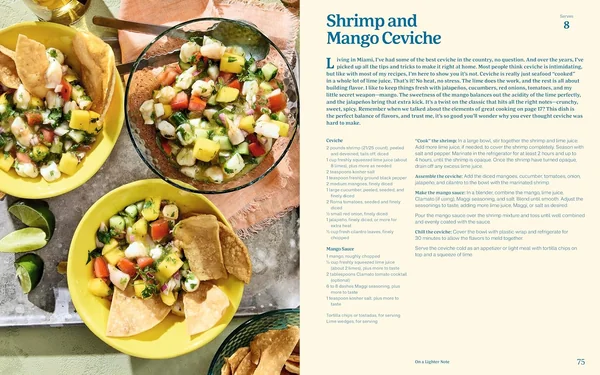
The collection includes Puerto Rican dishes like Pollo Guisado, Southern staples such as Honey Butter Corn Bread, and contemporary spins like Creamy White Chicken Enchiladas with Salsa Verde and Rum and Cola Wings. The range spans childhood favourites, takeout classics, and family traditions, reflecting Chapman's multicultural culinary upbringing.
What makes Toni Chapman's voice different from other comfort-food cookbooks?
The review highlights the specificity of Chapman's background as the key differentiator: her cooking is rooted in a family that has always cooked together, and Puerto Rican traditions sit alongside Southern Americana and takeout-inspired classics. That through-line gives the book a coherence of voice that sets it apart from more genre-generic comfort-food collections.
Who is Toni Chapman and what is her background?
Toni Chapman is a Miami-based social media creator behind the popular platform The Moody Foody. Her cooking draws on a multicultural culinary upbringing, incorporating Puerto Rican family traditions, Southern American staples, and influences from a life spent cooking, entertaining, and travelling.
How did the book perform commercially?
Everything's Good debuted as a New York Times bestseller, placing it among the most commercially successful cookbooks of its publishing season. The review treats this as a meaningful benchmark reflecting genuine reader demand rather than just marketing.
What do other cookbook authors say about Everything's Good?
Jocelyn Delk Adams, television host and award-winning author of Grandbaby Cakes and Everyday Grand, wrote that Chapman 'means it and delivers,' framing the book as a trustworthy kitchen resource. Adrianna Adarme, author of The Year of Cozy, called it 'that cozy classic you'll keep coming back to — today, tomorrow, forever' and specifically praised The Perfect Pollo Guisado and the book's vibrant pages.
Is the book only a recipe collection or does it carry emotional weight too?
The review notes that both endorsers characterise the book as something beyond a recipe compendium — a volume that carries emotional resonance alongside practical utility. The publisher frames it as an honest record of one cook's kitchen life and the people who shaped it, giving it a personal stamp that goes beyond mere technique.
How accessible are the recipes for beginner cooks?
Accessibility is central to the book's design philosophy. The recipes are explicitly pitched as 'designed to impress, without the stress,' drawing on Chapman's social media audience that has grown accustomed to easy-to-follow recipes oriented toward real weeknight and weekend cooking. The book is squarely aimed at home cooks who want reliable, flavourful results from ingredients and methods that don't intimidate.
Will experienced cooks find this cookbook challenging enough?
The review is candid that readers looking for a book that pushes culinary boundaries or challenges experienced cooks with complex technique may find the collection sits comfortably below their threshold. Because Chapman built her following on accessible, approachable cooking, the book is not structured around advanced technique or restaurant-style precision, and the review frames this as a feature of its design rather than a flaw.
Does the book focus on one cuisine or cover many?
The book covers a deliberately broad range rather than offering a deep, single-cuisine dive. Puerto Rican family recipes, Southern comfort food, and modern takeout-inspired classics all appear side by side, reflecting Chapman's multicultural upbringing. The review notes this breadth is a genuine trade-off: readers seeking specialist depth in one cuisine will find the book intentionally wide.
What are the main limitations of Everything's Good?
The review identifies two honest caveats: readers seeking a deep single-cuisine focus will find the book wide rather than specialist, and those wanting advanced technique or culinary theory will find it lies outside the book's explicit aims. Both are described as deliberate design choices worth naming so the right reader can self-select.
What publisher produced the book and when was it released?
Everything's Good was published by Clarkson Potter in October 2025 as a hardcover. It is described as a 100-recipe cookbook, and the review notes it debuted as a New York Times bestseller around the time of its publication.
How does the book's structure work?
Chapman organises the collection around three distinct recipe streams: family-inherited dishes such as Pollo Guisado, Southern staples she grew up eating like Honey Butter Corn Bread, and her own contemporary takes on familiar classics such as Creamy White Chicken Enchiladas with Salsa Verde. This structure reflects her multicultural culinary upbringing and gives the book a coherent personal through-line.
What role does Chapman's social media platform play in the book?
Chapman built her audience on The Moody Foody with recipes that are easy to follow and oriented toward real weeknight and weekend cooking, and the book extends that ethos into a permanent, curated format. The review frames the cookbook as a natural evolution of her platform — taking the same accessible, flavour-forward approach and giving it a lasting, physical form.
Does the book have strong visual design?
Endorser Adrianna Adarme specifically praised the book's 'vibrant and beautiful pages,' suggesting the visual presentation is a genuine strength. The review does not elaborate further on design details beyond this noted endorsement.
What themes does the book engage with beyond food?
The book engages with themes of family, memory, and cultural inheritance, with the publisher describing its core as 'the beautiful intersectionality of food and family.' Chapman's recipes are framed as an honest record of her kitchen life and the people who shaped it, making nostalgia and belonging as much a part of the book's identity as the recipes themselves.
How does Everything's Good compare to other comfort-food cookbooks?
The review argues that Chapman's book stands apart from more genre-generic comfort-food collections because of the specificity of her multicultural background — Puerto Rican traditions alongside Southern Americana and takeout-inspired classics — rather than offering a broad survey of global cuisines. That personal coherence of voice is cited as the key differentiator.
What practical value will readers take away from this cookbook?
Readers can expect 100 recipes designed for reliable, flavourful results without demanding technique, spanning family traditions, Southern staples, and modern comfort-food updates. The review suggests the book's practical value lies in its everyday usability — recipes pitched at real weeknight and weekend cooking that home cooks will return to repeatedly.
Sources & Further Reading
The key facts and claims in this review are grounded in the retrieved, verified sources listed below.
- Cited in this review
- 1
penguinrandomhouse.com
- 2
- 3
- Further reading
- 4
- 5
- 6
- 7
Reader Comments
No comments yet
Be the first to share your thoughts!