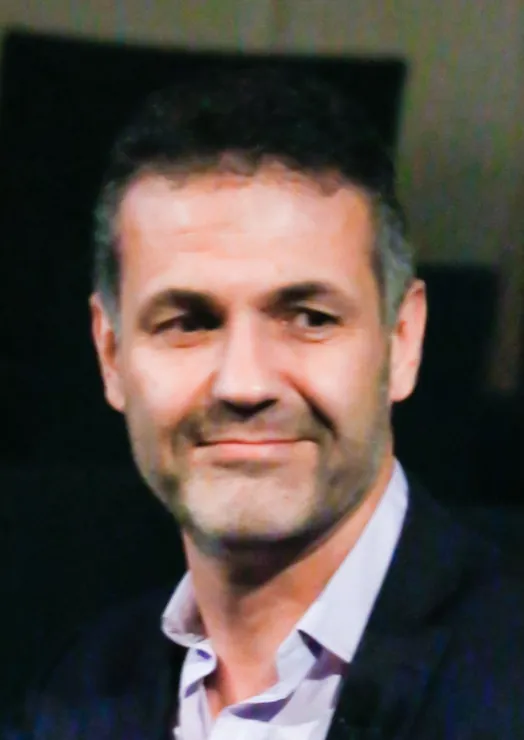
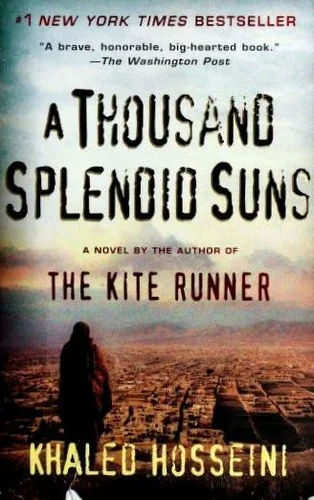
Khaled Hosseini or Khalid Husseini is an Afghan and American novelist, UNHCR goodwill ambassador, and former physician. His debut novel The Kite Runner (2003) was a critical and commercial success; the book and his subsequent novels have all been at least partially set in Afghanistan and have featured an Afghan as the protagonist.Hosseini's novels have spread awareness about Afghanistan's people and culture.
NOT REVIEWED YET
We haven't reviewed Khaled Hosseini yet.
The authors readers ask for most get reviewed first.
NOT REVIEWED YET
We haven't reviewed Khaled Hosseini yet.
The authors readers ask for most get reviewed first.
In Khaled Hosseini's own words
Author Khaled Hosseini speaks with Dua Lipa about A Thousand Splendid Suns, the realities facing Afghan women, and his creative process.
Hosseini recalls 1970s Kabul as a thriving, cosmopolitan, and progressive city prior to the Soviet invasion. He grew up surrounded by educated female family members who worked as doctors, government officials, and literature professors.
Challenging Western stereotypes of Afghan women
Hosseini notes that after September 11, the burqa became a singular Western symbol of female oppression that obscured the historical diversity of Afghan women. He modeled Laila on the ambitious, educated girls of his youth who fully expected equality with their male peers.
Discovering the story's core dynamic was motherhood
Hosseini says he struggled with the central relationship of the book until realizing it was fundamentally about motherhood. That breakthrough allowed Mariam to become a proxy mother and source of healing for Laila.
Refusing to make Rasheed a cartoon villain
Hosseini describes Rasheed as the most challenging character to write because he wanted to portray him as a product of deeply ingrained patriarchal traditions rather than a caricature.
Hosseini initially found his writing stilted because he was self-conscious as a male author portraying Afghan women. The breakthrough came when he stopped viewing them as demographic symbols and treated them as distinct human beings.