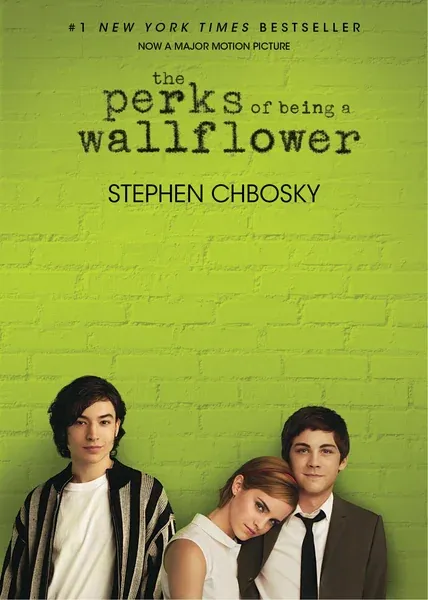
Letters from the Edge of Growing Up
Stephen Chbosky structures his novel as a series of letters Charlie writes to an unnamed recipient, creating an intimate confessional tone that draws readers directly into his inner world. This epistolary format allows for a natural progression through the school year while capturing the stream-of-consciousness quality of teenage thoughts. The letters begin tentatively, with Charlie introducing himself as someone who observes rather than participates, but gradually become more confident as he finds his voice.
The early 1990s setting isn't mere nostalgia—it's integral to the story's emotional landscape. Without smartphones or social media, Charlie's isolation feels more complete, his connections more precious. The mix-tape culture, the underground tunnel scenes, and references to The Rocky Horror Picture Show create a specific cultural moment where misfits had to work harder to find each other but formed deeper bonds when they did.
Charlie's voice as narrator strikes a delicate balance between naive and perceptive. He notices everything—the way teachers interact, how his sister's boyfriend treats her, the unspoken dynamics between his new friends—but often misses the larger implications until much later. This delayed understanding mirrors the actual experience of adolescence, where significant events often reveal their true meaning only in retrospect.
The Misfits Who Make Us Whole
While Charlie serves as our guide, the relationships he forms drive the novel's emotional core. His friendship with two charismatic seniors transforms his high school experience from isolated suffering to genuine belonging. These aren't the typical popular kids of teen fiction—they're theater enthusiasts, intellectuals, and social outsiders who create their own sphere of acceptance.
The dynamics between Charlie and his new friends illustrate how teenagers often serve as surrogate families for each other, especially when home life feels complicated or insufficient. Charlie's friends introduce him to new music, books, and ways of seeing the world, but they also model how to navigate complex emotions and relationships. Their group functions as a safe space where vulnerability becomes strength rather than weakness.
Stephen Chbosky avoids idealizing these relationships. The friends make mistakes, hurt each other, and struggle with their own demons. Charlie's intense gratitude for their acceptance sometimes blinds him to their flaws, creating realistic tensions that many teenage friendships experience. The author shows how formative relationships during adolescence can be both healing and complicated, offering growth through both support and disappointment.
Confronting Darkness with Honesty
The Perks of Being a Wallflower doesn't shy away from serious topics that shape many teenagers' lives. Charlie grapples with depression, family trauma, questions about sexuality, and the lingering effects of childhood experiences he's only beginning to understand. Chbosky handles these themes with remarkable sensitivity, never exploiting trauma for dramatic effect but showing how young people can begin to heal when they find supportive communities.
The novel's treatment of mental health feels particularly prescient given today's increased awareness of teenage depression and anxiety. Charlie's struggles aren't romanticized or dismissed—they're presented as real challenges that require both professional help and personal support systems. The Stephen Chbosky book demonstrates how therapy, medication, and caring relationships can work together to help someone recover from psychological wounds.
What makes Chbosky's approach powerful is his refusal to offer simple solutions. Charlie's journey toward healing isn't linear, and his friends can't fix him through love alone. The novel acknowledges that some problems require adult intervention while showing how peer support creates the foundation for seeking that help. This balance makes the book feel honest rather than preachy about mental health resources.
Where Raw Emotion Meets Literary Craft
Stephen Chbosky's prose style perfectly matches his narrator's voice—direct, unadorned, and emotionally honest without being manipulative. Charlie writes the way thoughtful teenagers actually think, with sudden insights mixed with confusion, philosophical observations alongside mundane details. The author avoids the artificial sophistication that mars many young adult novels, creating a voice that feels genuinely adolescent rather than adult-written.
The pacing mirrors the rhythms of the school year, with periods of quiet observation punctuated by moments of intense emotion or revelation. Chbosky builds tension gradually, allowing readers to understand Charlie's situation at the same pace Charlie understands it himself. This approach creates genuine suspense about outcomes that feel earned rather than manufactured.
Some critics argue that the novel's episodic structure, following the letter format, can feel disconnected at times. Certain plot threads receive less development than they deserve, and some of Charlie's insights feel beyond his stated age and experience. However, these minor structural issues don't diminish the novel's emotional impact or its authentic portrayal of teenage consciousness.
A Classic That Earns Its Status
Over 25 years after publication, The Perks of Being a Wallflower continues resonating with new generations of readers because it captures something essential about the adolescent experience that transcends specific cultural moments. Charlie's journey from observer to participant, from isolation to belonging, reflects the fundamental challenge of growing up: learning to engage with life despite its inevitable pain and uncertainty.
The novel succeeds as both an engaging story and a compassionate exploration of serious issues affecting teenagers. Stephen Chbosky never talks down to his audience or oversimplifies complex emotions. He trusts readers to handle difficult material while providing enough hope and healing to prevent the book from feeling hopeless or overwhelming.
For parents wondering about age appropriateness, this coming-of-age book handles mature themes thoughtfully but doesn't avoid difficult realities. Teenagers dealing with depression, family dysfunction, or questions about identity will likely find Charlie's story validating and potentially helpful. However, the novel does address trauma, mental health crises, and sexuality in ways that might warrant discussion with younger or more sensitive readers.
You can find The Perks of Being a Wallflower at Amazon, your local bookstore, or through your public library's digital collection.