
9 min read
4.6
· 45 Amazon ratingsShare This Review
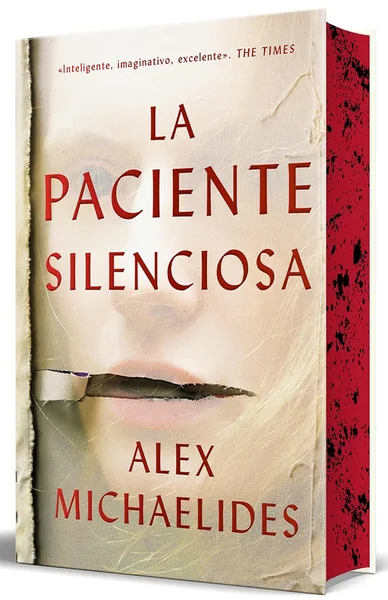
La Paciente Silenciosa by Alex Michaelides Review: A Gripping Psychological Thriller Worth Collecting
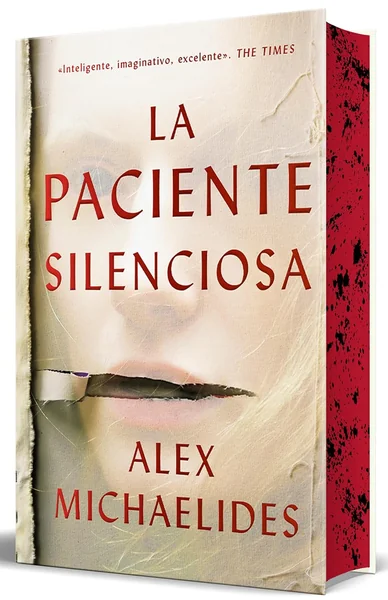
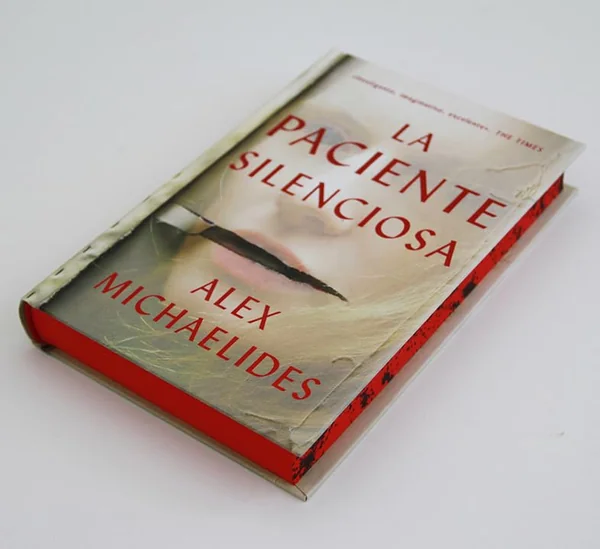
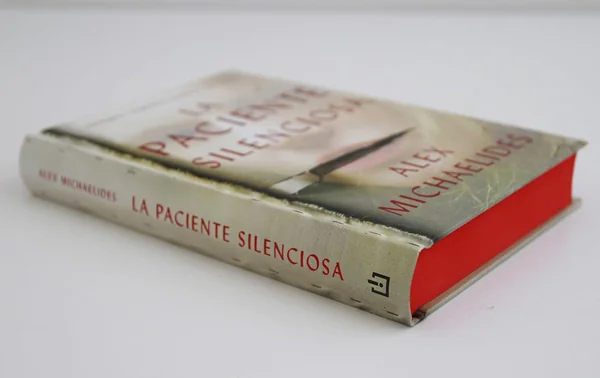
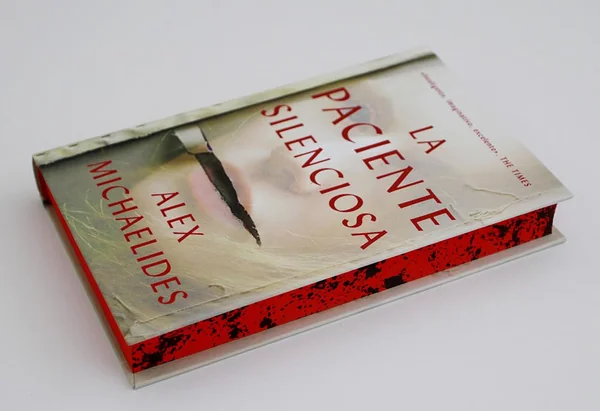
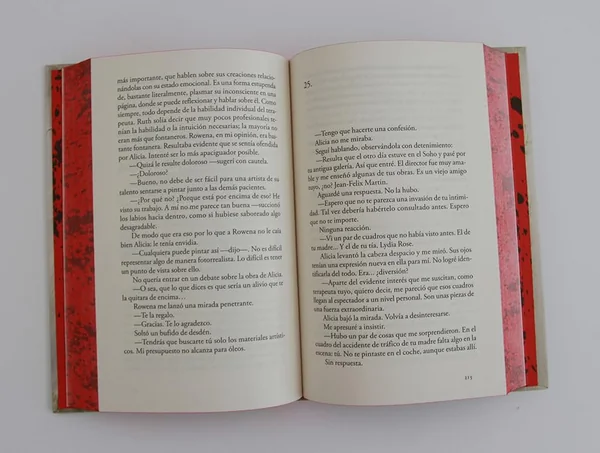
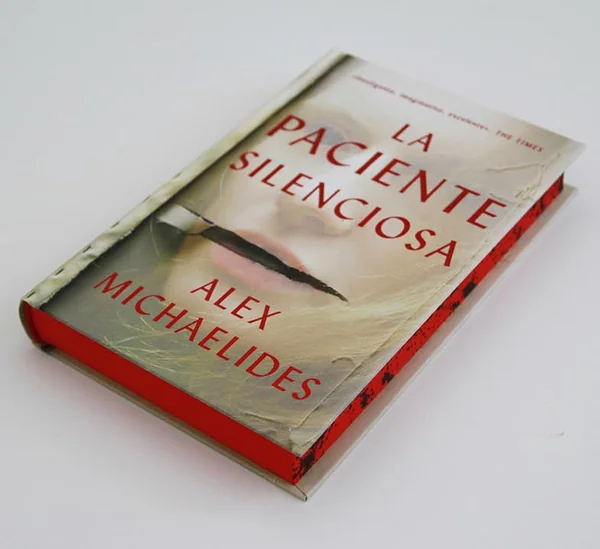
Alex Michaelides's debut psychological thriller — originally published in Spanish as La paciente silenciosa by Alfaguara Negra in 2019 and now reissued by Debolsillo in a limited sprayed-edges hardcover edition — follows forensic psychotherapist Theo Faber as he becomes consumed by the case of Alicia Berenson, a celebrated painter who shot her husband five times and then fell into total silence. With over two and a half million readers worldwide, a Goodreads Readers' Choice win, and a film adaptation in development by Brad Pitt's production company, the novel has cemented itself as one of the defining psychological thrillers of its era. This review is based on published critical sources and reception data, not hands-on use of the text.
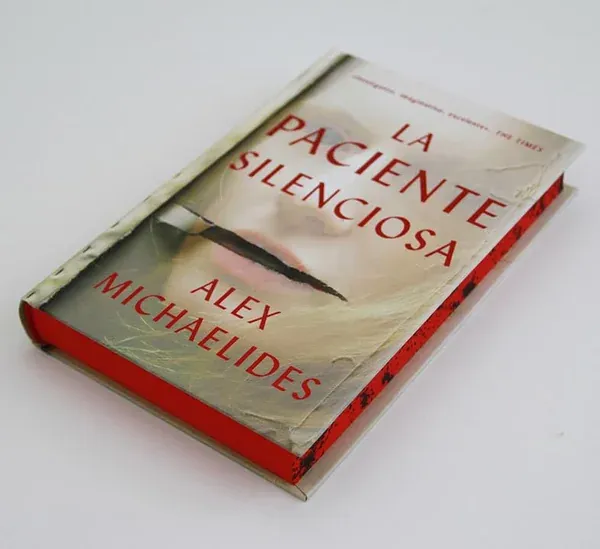
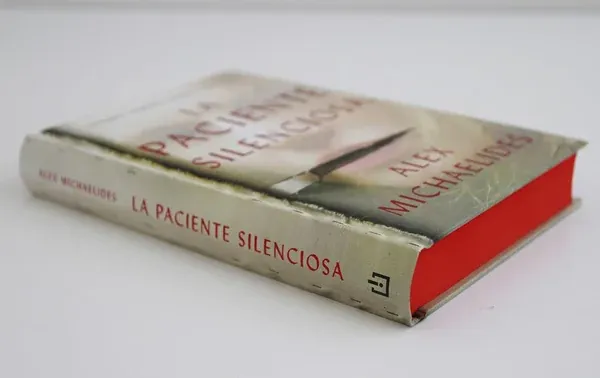
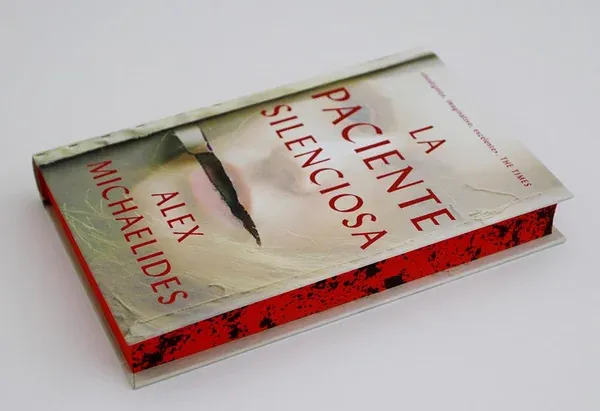 Tap to enlarge
LuvemBooks Verdict
Best for
Hispanophone readers who enjoy tightly plotted psychological thrillers in the Christie-and-Hitchcock tradition and want a premium collectible Spanish-language edition of a globally celebrated debut.
Worth it if
You relish a mystery engineered around revelation — where a narrator's unreliability and a protagonist's absolute silence work together to sustain tension across every chapter — and the sprayed-edges limited edition format appeals to you as a collector or long-term fan of Michaelides's work.
Skip if
You prefer character-driven literary fiction over plot mechanics, or you're simply looking for an affordable first read rather than a premium collectible hardcover.
What readers & critics say
Publisher's Weekly, quoted on penguinrandomhouse.com, called it "an intriguing and finely woven psychological thriller" that places Michaelides "among the best writers in the genre." Allbookstores.com notes the plot is grounded in a Greek tragedy by Euripides, Hitchcockian suspense, and Agatha Christie-style mystery, while debbish.com observes that Michaelides's real background in psychotherapy and secure psychiatric units lends convincing authority to the novel's institutional world.
“Michaelides' debut is narrated in the voice of psychotherapist Theo Faber, who applies for a job at the institution where Alicia is incarcerated because he's fascinated with her case.”
— kirkusreviews.comPreview the book
Ask LuvemBooks
Was this helpful?
- Is it worth reading?
- For fans of tightly constructed psychological thrillers, La paciente silenciosa is widely considered essential reading — Publisher's Weekly called it 'magnificent' and ranked Alex Michaelides among the best writers in the genre, while Entertainment Weekly praised its blend of Hitchcockian suspense and Agatha Christie plotting. Its global footprint — more than two and a half million readers, translation into over forty countries, and a Goodreads Readers' Choice Award win — reflects a novel that resonates well beyond genre boundaries. Readers who prefer character-driven literary fiction without the scaffolding of genre mechanics may find its commitment to mystery architecture less satisfying, but as a debut thriller engineered around one of contemporary fiction's most compelling central puzzles, its reputation is thoroughly earned.
- Similar books
- Readers who enjoy La paciente silenciosa's psychological tension and plot-first architecture will find much to savour in Gillian Flynn's Gone Girl, which similarly pivots on an unreliable narrator and a marriage concealing explosive secrets. Lisa Jewell's Then She Was Gone offers the same compulsive pacing built around a central disappearance mystery, while Alex North's The Whisper Man blends psychological unease with a forensic thriller backdrop. For more intimate domestic suspense, Mary Kubica's Every Last Lie and Laura Dave's The Last Thing He Told Me both deliver the slow-burn reveal structure that fans of Michaelides's plotting tend to seek out.
- Who should read this?
- La paciente silenciosa is designed for adult readers who relish tightly constructed puzzle thrillers with psychological depth — particularly those willing to follow a narrator, Theo Faber, whose motives and reliability grow increasingly complicated as the novel progresses. The Christie-and-Hitchcock framing from Entertainment Weekly is a useful guide: this is a book for readers who prize the architecture of suspense and the mechanics of revelation. Spanish-language readers who want the full intended experience without the distance of translation will find this Debolsillo edition the natural home for the novel, and the limited sprayed-edges hardcover format makes it a considered purchase for genre enthusiasts and book collectors.
- About Alex Michaelides
- Alex Michaelides is a bestselling British Cypriot author and screenwriter.
- Tell me about the adaptation
- A film adaptation of The Silent Patient is in development by Brad Pitt's production company, Plan B Entertainment. No release date has been publicly confirmed, but the acquisition of the film rights by such a prominent production house underscores the novel's commercial momentum and its appeal to Hollywood as a high-concept psychological thriller.
- What makes this edition special?
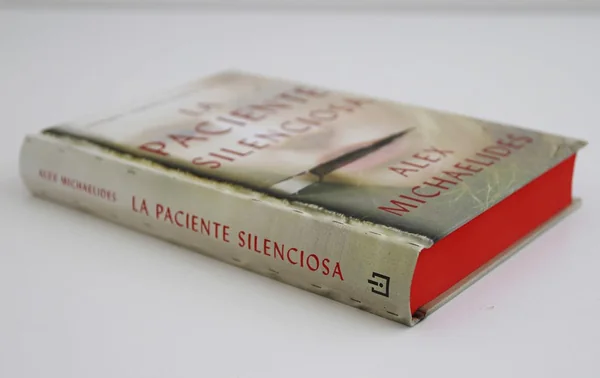
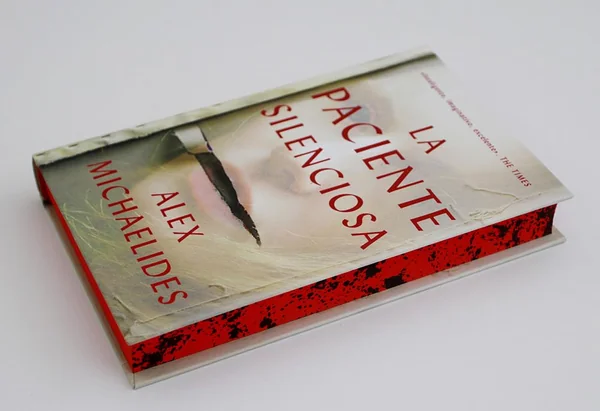
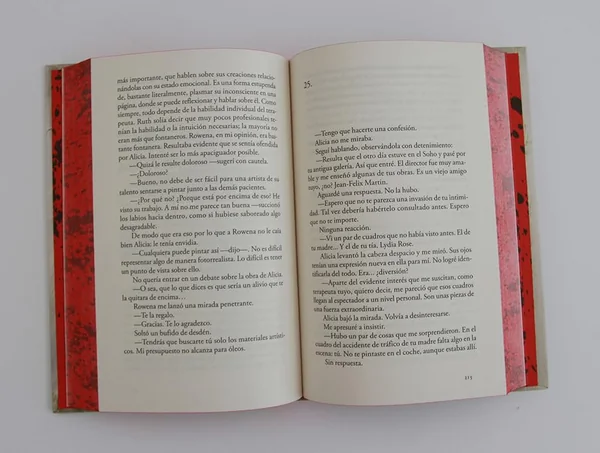
- The Debolsillo edition published on March 3, 2026 is a limited hardcover distinguished by sprayed edges — a premium collectible format aimed at readers who already know and love La paciente silenciosa and want a high-quality physical object to mark that investment. The text itself is unchanged from the original 2019 Alfaguara Negra Spanish-language publication. For first-time readers, the format offers an attractive entry point; for existing fans of Michaelides's work — which now includes Las Doncellas and La furia — it serves as the kind of shelf piece that rewards long-term investment in an author's catalogue.
- How does the author's background shape the novel?
- Alex Michaelides studied English Literature and Psychotherapy, and worked in a secure unit for young adults — professional experience that directly informs the novel's institutional world at The Grove, the forensic psychiatric unit where Alicia Berenson is held. This background lends authority to the portrayal of forensic psychotherapy and the dynamics between Theo Faber and his patient, grounding the novel's psychological tension in a credible professional and institutional reality rather than a purely fictional construct.
Summarize this book
Follow up
Synthesized from verified book data & published reviews · How we review
Press Enter to ask. Answers come from our editorial Q&A — start typing to see related questions.
Age & Reading Level
Recommended age
Adult
Reading level
Adult
2 content notes · who it suits
Content to know about
Best for: Adults — the novel centres on a brutal domestic killing and forensic psychiatric themes best suited to mature readers.
Skip if you prefer character-driven literary fiction without the scaffolding of genre plot mechanics.
Our Review
What the Novel Is: Silence as the Engine of Suspense
Significance: A Global Phenomenon with Serious Genre Credentials
Strengths: Architecture, Obsession, and the Pull of the Unknown
Context and Collector Appeal: The Limited Edition
Who It's For and Where It Asks the Most of Its Reader
Sources & Further Reading
The key facts and claims in this review are grounded in the retrieved, verified sources listed below.
- Cited in this review
- 1
- 2
- 3
- Further reading
- 4
Alex Michaelides, Wikipedia
Related reading
Adjacent titles worth exploring. We haven't reviewed these yet, so they link out to Amazon.