
7 min read
4.6
· 417 Amazon ratingsShare This Review
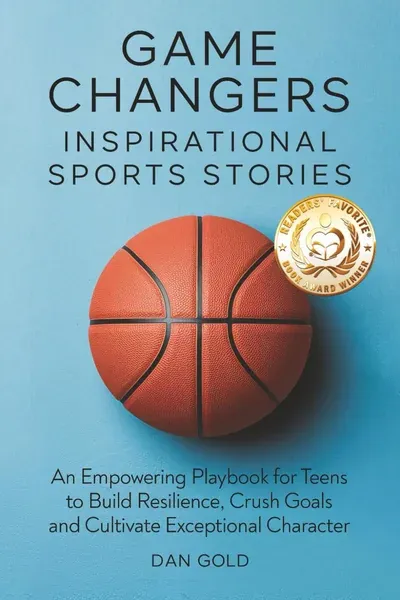
Game Changers: Inspirational Sports Stories by Dan Gold Review: A Purposeful Playbook for Teen Resilience
Dan Gold's independently published Game Changers: Inspirational Sports Stories delivers athlete profiles spanning tennis, soccer, hockey, and basketball, structured to move teen readers from inspiration to action through end-of-chapter reflections designed to build resilience, goal-setting skills, and leadership character.
 Tap to enlarge
LuvemBooks Verdict
Best for
Teens navigating self-doubt and big goals — and the parents or educators looking for a structured, sports-grounded resource to spark those conversations — who want inspiration backed by practical reflection exercises rather than deep sports journalism.
Worth it if
The reader wants a motivational nonfiction resource that pairs recognisable athlete stories (Brady, Williams, and others across tennis, soccer, hockey, and basketball) with actionable end-of-chapter exercises designed to build resilience and leadership in young people.
Skip if
Readers seeking granular sports biography, statistics, or critical analysis of athletic careers will find the athlete profiles deliberately brief — they serve as lesson vehicles, not comprehensive accounts — and teens already well-versed in these figures' stories may find the narrative portions cover familiar ground.
What readers & critics say
IndieReader describes the book as equipping readers "with the mindset and tools to build resilience, set ambitious goals, and lead with character," praising Gold's concise, engaging storytelling and end-of-chapter reflections. LuvemBooks notes it works particularly well as a discussion starter between adults and teens, with Gold writing "with the directness of a seasoned coach — encouraging but not condescending, practical without feeling preachy."
Sources: IndieReader, LuvemBooksAge & Reading Level
Recommended age
Ages 12–18
Reading level
Young adult
who it suits
Best for: Ages 12 and up — the self-development framework, reflection exercises, and themes of goal-setting and resilience are calibrated for a teen readership, with middle school through high school readers as the primary audience.
Skip if you're looking for in-depth sports journalism, granular statistics, or critical biography of athletes like Tom Brady or Serena Williams.
In This Review
- What Works & What Doesn't
- What the Book Actually Is
- The Central Argument and Structure
- Scope and Breadth of Coverage
- Who It Is Designed For — and Where It Has Limits
- Reception and Place in the Genre
What Works & What Doesn't
What Works
- Covers athletes across multiple sports — tennis, soccer, hockey, basketball — broadening its appeal beyond fans of any single discipline
- End-of-chapter reflections translate each athlete's story into actionable lessons, giving the book a practical self-development structure beyond a simple anthology
- Named subjects include widely recognized figures such as Tom Brady and Serena Williams, grounding the lessons in well-known, relatable examples for teens
- Designed to serve multiple audiences — teen readers, parents, and educators — making it a versatile pick for home or classroom use
- First in a three-book series, offering readers a sustained, continuing framework for building on its themes of resilience and leadership
What Doesn't
- Readers seeking in-depth sports journalism, statistics, or critical biography will find the athlete profiles are intentionally brief, serving as lesson vehicles rather than comprehensive accounts
- Teens already deeply familiar with figures like Brady or Williams may find the narrative portions cover well-trodden biographical ground before reaching the reflective content
What the Book Actually Is

The Central Argument and Structure
Scope and Breadth of Coverage
Who It Is Designed For — and Where It Has Limits
Reception and Place in the Genre
Frequently Asked Questions
Sources & Further Reading
The key facts and claims in this review are grounded in the retrieved, verified sources listed below.
- Cited in this review
- 1
inspirethroughsports.com
- 2
indiereader.com
- Further reading
- 3
- 4
Related Reviews
Reviews of books we picked for readers who enjoyed Game Changers.

Reader Comments
No comments yet
Be the first to share your thoughts!