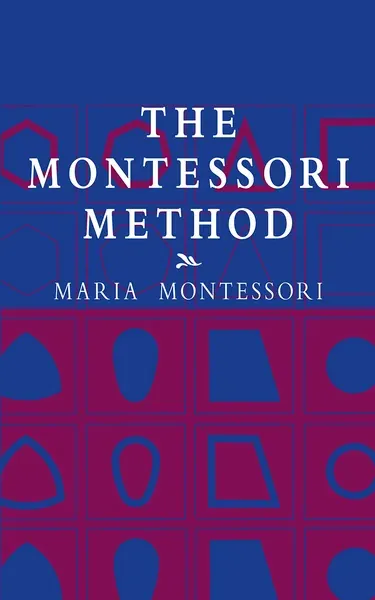
Is The Montessori Method worth reading for parents** seeking to understand child-centered education? Maria Montessori's foundational text remains surprisingly relevant, offering insights that challenge conventional approaches to childhood learning. While some aspects feel dated, the core principles continue to influence educators worldwide, making this a valuable read for anyone invested in understanding how children truly learn.
For readers familiar with The Whole-Brain Child by Daniel Siegel or How to Talk So Kids Will Listen, Montessori's work provides the historical foundation for many contemporary child development theories. Her observations about respecting children's natural learning processes laid groundwork that modern neuroscience has largely validated.
A Physician's Revolutionary Approach to Education
Maria Montessori brought a unique perspective to education as Italy's first female physician. Her medical training informed her systematic observation of children, leading to discoveries that overturned traditional educational assumptions. Rather than viewing children as empty vessels to fill with knowledge, Montessori recognized them as naturally curious beings capable of self-directed learning when given appropriate environments and materials.
The book chronicles her work at the Casa dei Bambini (Children's House) in Rome's San Lorenzo district, where she developed her method working with disadvantaged children. Her scientific approach to education—carefully observing, hypothesizing, and testing—revolutionized how educators viewed child development and learning capacity.
The Core Philosophy Explained
Montessori's educational philosophy rests on several key principles that remain radical even today. She advocated for mixed-age classrooms, freedom of movement, and child-chosen activities from a prescribed range of options. Her concept of "prepared environments"—carefully designed spaces that promote independence and exploration—challenged the rigid classroom structures of her era.
The book details her observations about sensitive periods in child development, times when children are naturally drawn to specific types of learning. Her insights about the absorbent mind—the child's unconscious ability to absorb information from their environment—anticipated much of what we now know about early brain development.
Practical Applications and Materials
One of the book's strengths lies in Montessori's detailed descriptions of educational materials and their purposes. She explains the reasoning behind manipulative learning tools, sensory materials, and practical life activities. Her emphasis on materials that allow children to correct their own errors promotes independence and intrinsic motivation.
The text provides specific guidance on creating learning environments that foster concentration and self-direction. Montessori's observations about the importance of order, beauty, and child-sized furniture seem obvious now but were revolutionary concepts in education of that era.
Where the Method Shows Its Age
While Montessori's core insights remain valuable, certain aspects of the book reflect the social attitudes of her era. Her discussions of discipline and obedience, while progressive for its time, may feel overly rigid to contemporary readers. Some language around child behavior and development uses terminology that modern educators would avoid.
The book also lacks discussion of individual learning differences and special needs—understandably, given the limited understanding of learning disabilities in Montessori's time. Readers seeking guidance for children with ADHD, autism, or other learning differences will need to supplement this foundational text with contemporary resources.
Relevance for Modern Parents and Educators
Despite its age, The Montessori Method offers valuable insights for anyone working with children. Parents will appreciate Montessori's respect for children's capabilities and her emphasis on fostering independence rather than dependence. Her observations about the importance of real work and practical life skills resonate strongly with families seeking alternatives to screen-heavy childhoods.
Teachers will find her systematic approach to observation and environmental design particularly valuable. Montessori's emphasis on following the child's interests rather than imposing adult agendas provides a foundation for differentiated instruction that modern educators continue to develop.
A Foundation Worth Understanding
The Montessori Method deserves recognition as a foundational text in educational philosophy, even if it's not always an easy read. Montessori's writing can feel dense and repetitive, reflecting the academic style of her era. However, her core insights about respecting children's natural learning processes and creating supportive environments remain profoundly relevant.
For parents exploring educational options or teachers seeking to understand child-centered approaches, this book provides essential historical context. While you'll want to supplement it with contemporary research on child development and inclusive practices, Montessori's fundamental respect for children's capabilities offers a timeless foundation for nurturing young learners.
Where to Buy
You can find The Montessori Method (Economy Editions) at Amazon, Barnes & Noble, or your local bookstore, with many editions available to suit different budgets and preferences.