The Blurred Line Between Memory and Fiction
O'Brien's greatest achievement lies in his deliberate confusion of fact and fiction. The narrator shares the author's name—Tim O'Brien—and many biographical details, yet the book is classified as fiction. This isn't accidental; it's central to O'Brien's exploration of how we process trauma and memory.
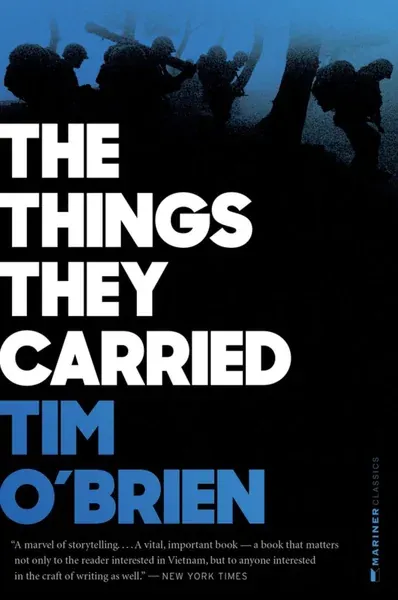
The collection opens with soldiers literally carrying physical objects—photographs, letters, weapons—but quickly expands to examine the psychological burdens they bear: guilt, fear, love, and the weight of survival. O'Brien's prose shifts between stark realism and dreamlike passages, mirroring how memory works in the aftermath of trauma.
His writing style is deceptively simple, using repetition and lists to hypnotic effect. The famous opening inventory of what soldiers carried becomes almost ritualistic, building emotional weight through accumulation rather than dramatic flourish.
Soldiers as Complex Human Beings
Rather than treating his platoon as faceless military units, O'Brien creates vivid individual portraits. The soldiers emerge as fully realized people—some brave, some cowardly, all struggling with circumstances beyond their control. The author presents himself not as a hero but as someone who nearly fled to Canada to avoid the draft, only joining the war out of fear of disappointing his small-town community.
The book's central tragedy involves a young Vietnamese soldier whom the narrator may or may not have killed—the ambiguity is intentional. O'Brien returns to this incident repeatedly, each time revealing new layers or contradicting previous versions. This technique illustrates how traumatic memories resist simple narrative closure.
Other soldiers appear through interconnected stories: the medic who carries comic books, the lieutenant who blames himself for a death, the man who survives but cannot escape his memories. Each character carries both literal and metaphorical weight that extends far beyond their tour of duty.
The Weight of Truth and Storytelling
The collection's most powerful theme concerns the relationship between factual truth and emotional truth. O'Brien repeatedly breaks the fourth wall to discuss his writing process, admitting to fabrications while insisting these fictional elements capture truths that straight memoir cannot convey.
This meta-fictional approach might seem gimmicky, but O'Brien uses it to examine how we process collective trauma. The stories become vehicles for exploring survivor guilt, the impossibility of communicating combat experiences to civilians, and the way memory reshapes events to make them bearable—or sometimes unbearable.
The book argues that traditional notions of truth become inadequate when confronting extreme experiences. Sometimes a fabricated story tells more truth about the emotional reality of war than a factual account ever could.
Not Without Its Challenges
he Things They Carried** demands emotional maturity from readers. The violence, while not gratuitously graphic, is psychologically intense. More challenging still is O'Brien's refusal to provide clear moral frameworks or redemptive endings. Some stories end mid-thought; others circle back on themselves without resolution.
The book's experimental structure can frustrate readers expecting traditional narrative arcs. Stories contradict each other, timeline jumps around, and the boundary between O'Brien the author and O'Brien the character remains deliberately blurred. These techniques serve the book's themes but require active, patient reading.
Some critics argue the meta-fictional elements occasionally overwhelm the human stories, though most agree the technique ultimately serves O'Brien's larger purposes.
A Lasting Impact on Literature and Memory
Nearly 35 years after publication, The Things They Carried remains relevant beyond its Vietnam War setting. Its exploration of trauma, memory, and storytelling speaks to anyone grappling with difficult experiences that resist easy narration.
For high school students, the book offers sophisticated lessons about literature's power to capture psychological truth. However, teachers and parents should prepare for challenging discussions about violence, moral ambiguity, and the lasting effects of trauma. The book's Grade 11 reading level reflects not just vocabulary complexity but emotional sophistication.
O'Brien created something rare: a war book that's genuinely about war's aftermath rather than its drama. The real battles happen in memory, in the stories we tell ourselves, and in the weight we carry long after the fighting ends.
You can find The Things They Carried at Amazon, independent bookstores, or directly from Houghton Mifflin Harcourt.