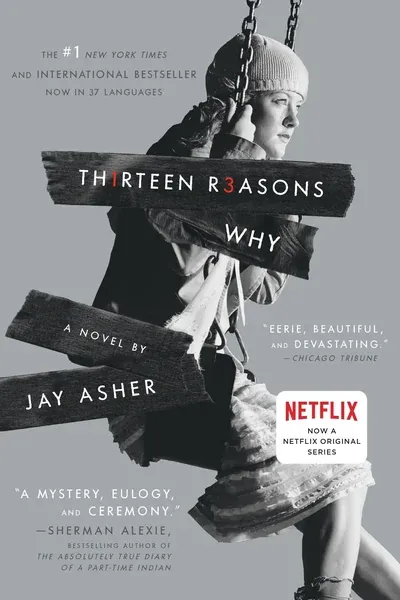
A Narrative Structure Built on Guilt and Blame
Jay Asher constructs his story through an unusual dual narrative that alternates between Hannah's recorded voice and Clay's real-time reactions as he follows her map through town. This structure creates an immediacy that many readers find compelling—and others find manipulative. Hannah's thirteen reasons unfold methodically, each tape revealing another person who, in her view, contributed to her decision to end her life.
The cassette tape device, while dated by today's standards, serves a specific narrative purpose. Unlike a suicide note that can be read quickly, the tapes force their recipients to experience Hannah's pain in real time, unable to skip ahead or put down her story. This creates an almost torturous listening experience that mirrors the psychological weight Hannah carried.
Asher's Approach to Difficult Material
Jay Asher writes with deliberate restraint when depicting Hannah's actual suicide, focusing instead on the emotional buildup and aftermath. His prose style is accessible and direct, avoiding flowery language that might diminish the story's impact. The author maintains a careful balance between Hannah's perspective and Clay's, though some critics argue this balance tips too heavily toward Hannah's narrative control.
The writing effectively captures the authentic voice of teenage despair, but it also raises questions about narrative responsibility. Asher presents Hannah's reasoning without sufficient challenge to her logic, potentially validating the dangerous notion that suicide is an understandable response to social cruelty and teenage drama.
Hannah Baker and Clay Jensen as Flawed Messengers
Hannah emerges as a complex character whose pain feels genuine, but whose reasoning often appears flawed. She demonstrates the cognitive distortions common in depression—all-or-nothing thinking, personalization of others' actions, and catastrophic interpretation of events. However, the novel doesn't adequately challenge these thought patterns, instead presenting them as valid justifications for her final decision.
Clay Jensen serves as the reader's surrogate, experiencing shock, guilt, and confusion as he processes Hannah's accusations. His character represents the bystander's perspective—someone who cared but didn't act, who noticed signs but didn't intervene. While this makes him relatable to many readers, it also reinforces the problematic notion that others bear responsibility for preventing someone's suicide.
The supporting cast exists primarily through Hannah's lens, which creates a deliberately skewed perspective. Readers never fully understand the motivations or circumstances of the thirteen people Hannah blames, seeing them only as she chose to present them.
Themes That Spark Necessary but Difficult Conversations
This young adult fiction novel tackles several critical themes relevant to teenage experience: bullying, sexual assault, social isolation, and the ripple effects of seemingly small actions. Jay Asher effectively demonstrates how multiple negative experiences can compound, creating an overwhelming sense of hopelessness.
However, the book's central message proves problematic from a mental health perspective. By presenting suicide as Hannah's way of achieving justice and ensuring her voice is heard, the novel risks romanticizing self-harm as a form of communication or revenge. Mental health professionals have expressed concern about the "contagion effect"—the documented phenomenon where suicide representations can influence vulnerable individuals.
The theme of interconnectedness—how our actions affect others—carries important moral weight, but the novel applies this lesson in a way that assigns blame rather than encouraging empathy and intervention.
Where the Novel Stumbles in Its Mission
While Thirteen Reasons Why succeeds in starting conversations about teenage mental health, it fails to provide healthy models for addressing crisis situations. The YA novel offers no examples of effective help-seeking, therapeutic intervention, or recovery. Hannah's guidance counselor is portrayed as incompetent, and no other adults emerge as potential sources of support.
The novel's treatment of sexual assault, while attempting to address a serious issue, lacks the nuance and resources necessary for such sensitive material. Hannah's experience of assault becomes one item on a list rather than receiving the focused attention and trauma-informed perspective it deserves.
Perhaps most concerning, the book presents no alternative endings for Hannah's story. Readers see no path where she might have found help, healing, or hope—a dangerous omission that reinforces the hopelessness experienced by suicidal individuals.
A Cultural Phenomenon With Real-World Impact
Since its publication, Thirteen Reasons Why has influenced educational curricula, sparked family discussions, and prompted numerous schools to develop crisis response protocols. The subsequent Netflix adaptation intensified both praise and criticism, leading to updated suicide prevention guidelines from mental health organizations.
The book's impact extends beyond literature into public health policy, with some schools banning it while others use it as a teaching tool alongside professional mental health resources. This real-world influence underscores the responsibility authors bear when addressing topics like suicide, particularly in young adult literature.
Research following the book's popularity has shown both positive and negative effects: increased awareness of bullying and mental health issues, but also documented increases in suicide searches and concerning social media behavior among some young readers.
My Take: Important Topics, Problematic Execution
Thirteen Reasons Why deserves recognition for bringing teenage suicide into mainstream young adult literature and forcing difficult conversations about mental health, bullying, and social responsibility. Jay Asher's writing is competent and emotionally engaging, creating characters whose pain feels authentic.
However, the novel's approach to its subject matter raises serious concerns that outweigh its conversational value. The book's failure to model healthy coping strategies, seek professional help, or present hope for recovery makes it potentially harmful for vulnerable readers. The romanticization of suicide as a form of justice and communication contradicts evidence-based approaches to suicide prevention.
For families considering this book, it should never be read without accompanying discussions about mental health resources, healthy coping strategies, and the availability of help during crisis situations. This contemporary fiction novel works better as a discussion starter for adults than as independent reading for teenagers struggling with similar issues.