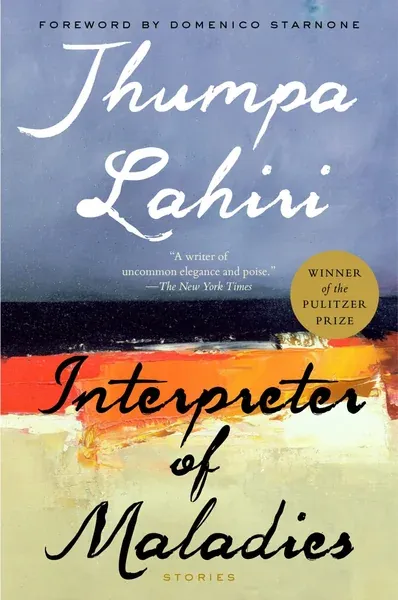
Between Two Worlds: Lahiri's Delicate Portraits
s Interpreter of Maladies worth reading in 2026?** Absolutely. Jhumpa Lahiri's Pulitzer Prize-winning collection remains as relevant today as when it first captivated readers. These nine interconnected stories explore the subtle tensions of cultural displacement with a precision that feels both intimate and universal. Readers who appreciate the emotional complexity found in works like The Namesake or Americanah will discover similar depth in Lahiri's carefully observed portraits of Indian and Indian-American characters navigating identity, marriage, and belonging.
Lahiri's debut collection doesn't announce itself with dramatic flourishes. Instead, it works through accumulated detail and quiet revelation, building emotional weight through the mundane moments that define our most important relationships. Each story functions as a complete world while contributing to a larger meditation on connection across cultural and emotional distances.
Elegant Restraint: The Craft Behind the Stories
Lahiri's prose style exemplifies literary restraint at its finest. She constructs scenes with architectural precision, allowing meaning to emerge through carefully selected details rather than explicit explanation. Her sentences carry the weight of unsaid emotions, creating space for readers to inhabit the internal lives of her characters.
The collection's structure mirrors its thematic concerns. Stories move between India and America, between arranged marriages and chosen relationships, between the weight of tradition and the pull of assimilation. This geographical and emotional movement creates a rhythm that feels both purposeful and organic.
What distinguishes Lahiri's approach is her refusal to exoticize or oversimplify the immigrant experience. These characters exist as fully realized individuals rather than representatives of cultural types. Their struggles with loneliness, communication, and identity transcend specific cultural contexts while remaining grounded in particular experiences.
Lives in Translation: The People Who Inhabit These Stories
Mrs. Sen emerges as one of literature's most memorable portraits of cultural displacement. Her relationship with the American boy she babysits reveals the complex negotiations required when two worlds meet. The story avoids easy sentiment, instead exploring how connection can exist across vast cultural distances.
The married couple Shoba and Shukumar, dealing with grief in the title story, represent Lahiri's ability to find universal emotions within specific cultural contexts. Their nightly conversations during a power outage become a meditation on how we reveal and conceal ourselves from those closest to us.
Miranda, the American woman involved with the married Bengali man Dev, provides a different perspective on cultural crossing. Through her eyes, Lahiri examines how fascination with the "exotic" can mask deeper emotional needs and misunderstandings.
The Weight of Unspoken Things
The collection's central themes revolve around communication failures and the spaces between what we say and what we mean. Characters struggle to bridge gaps created by language, culture, generation, and simple human misunderstanding. Lahiri suggests that we are all interpreters of each other's maladies, often failing to translate correctly.
Cultural identity emerges not as a fixed concept but as something constantly negotiated. Characters exist between worlds, neither fully American nor fully Indian, creating their own spaces of belonging. This in-between state becomes a source of both isolation and possibility.
Marriage and partnership receive particular attention, with Lahiri examining how couples navigate the distance that can exist even in intimate relationships. Her stories suggest that understanding another person requires constant translation, constant interpretation.
Where the Collection Shows Its Limits
While Lahiri's restraint generally serves her well, some stories suffer from excessive subtlety. Certain narratives feel incomplete, ending just as they seem to be gathering emotional momentum. The collection's quiet tone, while generally effective, occasionally borders on the precious.
The focus on middle-class, educated characters limits the collection's scope. Lahiri's Indian-American experience represents one slice of immigrant life, but the collection sometimes feels narrow in its social and economic range. Characters share similar backgrounds and concerns, which can make individual stories feel less distinct.
Some readers may find the pacing too deliberate. These stories reward patient reading but don't offer the immediate gratifications of more dramatic fiction. The emotional payoffs require investment in Lahiri's careful accumulation of detail.
A Quiet Masterpiece That Endures
Interpreter of Maladies succeeds as both an introduction to Indian-American literature and a sophisticated exploration of universal human experiences. Lahiri's ability to find profound meaning in everyday encounters makes this collection particularly valuable for readers interested in how literature can illuminate the complexities of modern multicultural life.
The stories work best when read as a complete collection rather than individual pieces. Their cumulative effect creates a rich portrait of characters learning to navigate between worlds, between languages, between the selves they were and the selves they're becoming.
For readers wondering is Interpreter of Maladies worth reading in 2026, the answer lies in these stories' continued relevance to our increasingly connected yet culturally complex world. Lahiri's insights into displacement, identity, and human connection feel as necessary now as they did upon publication.