BOOKS
Published

Read Time

9 min read

Reader rating

4.7

· 39,879 Amazon ratings
reader ratings, not a LuvemBooks score
Curated & edited by

LuvemBooks Editorial

How we create our reviews →
Share This Review

Our review

The Titan's Curse by Rick Riordan Review: A Series-Deepening Middle-Grade Adventure

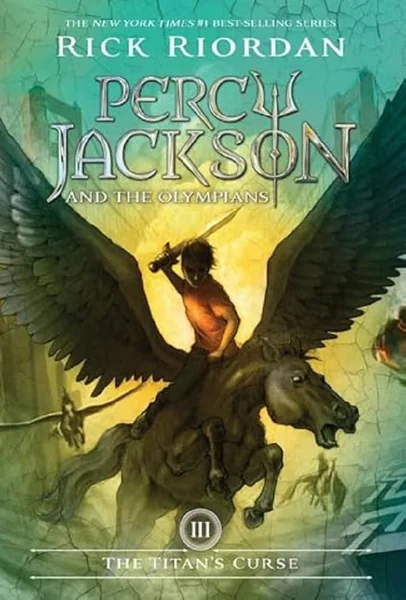
The Titan's Curse is the third novel in Rick Riordan's Percy Jackson & the Olympians series, published May 1, 2007, in which 14-year-old demigod Percy Jackson races against the winter solstice to rescue both his friend Annabeth Chase and the goddess Artemis from the army of Kronos. It earned a New York Times children's series bestseller ranking and a Booklist starred review, cementing its place as the series' emotional and narrative turning point.
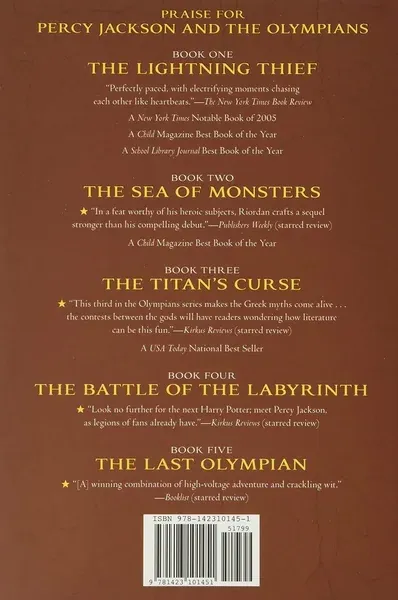
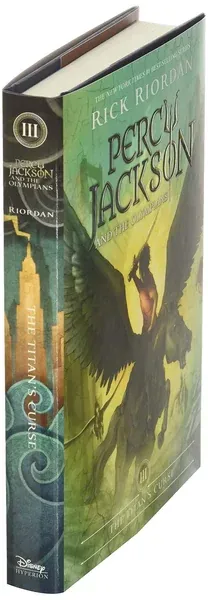
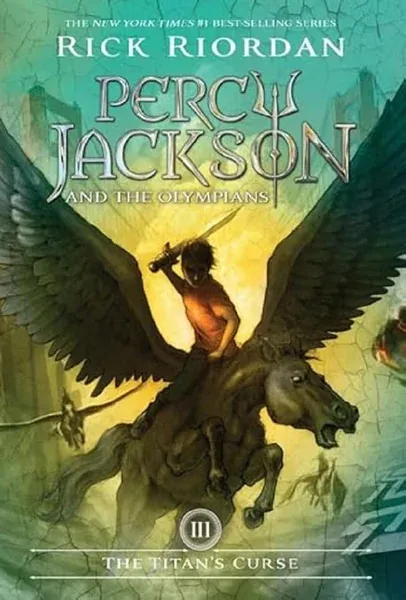
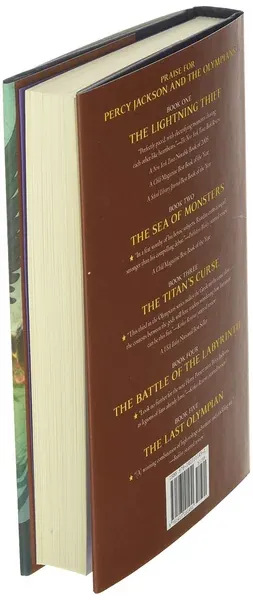
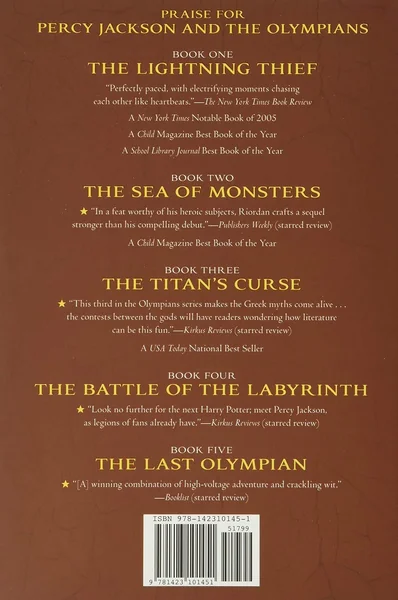
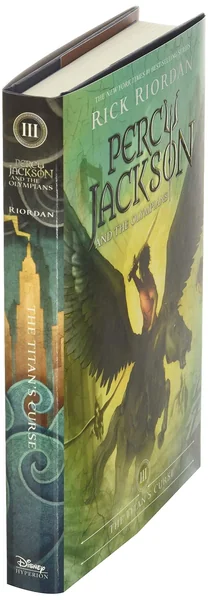
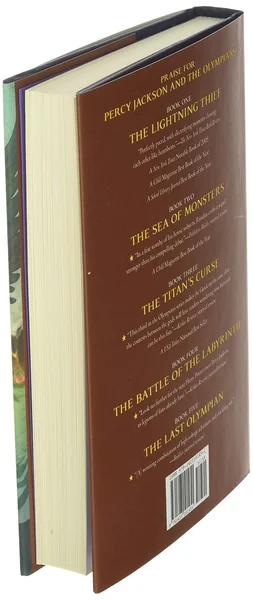
Back cover displaying five book titles in a series with review quotes and accolades, plus barcode.Front cover of a fantasy novel featuring a green and gold design with a silhouetted figure and decorative spine elements.Back cover with brown background, cream-colored pages visible on spine, synopsis text, review quotes, and barcode.Tap to enlarge

LuvemBooks Verdict

Best for

Middle-grade readers aged 9 and up who are already invested in the Percy Jackson series and want a quest-driven adventure that deepens the mythology, expands the ensemble cast, and raises the emotional stakes in ways the earlier installments don't.

Worth it if

You've read the first two Percy Jackson books and are ready for an installment that blends relentless action and Riordan's signature humour with genuine, lasting consequences — making the mythology feel as though it truly matters.

Skip if

You're new to the series or prefer lighter adventure fare, as the emotional payoffs depend on groundwork laid in earlier books and the tonal shift toward real, irreversible losses may be heavier than expected.

Kirkus Reviews praised the novel's ability to make Greek myths come alive through modern twists — Apollo in a Maserati, zombie soldiers, godly contests — while noting it can stand alone for newcomers, and Wikipedia's reception summary records that Booklist awarded it a starred review and it became a New York Times children's series bestseller, cementing its role in building the series into a cultural phenomenon.

“This makes Greek myths come alive in a way no dreary classroom unit can — readers will wonder how literature can be this fun.”

— Kirkus Reviews

“It had lots of suspense and was unputdownable — one of the best books in the series.”

— The Guardian
Sources: Kirkus Reviews, Wikipedia
4.7from 39,879 Amazon ratings— reader ratings, not a LuvemBooks score
Buy on Amazon

Age & Reading Level

Recommended age

Ages 8–12

Reading level

Middle grade

Content to know about

character death with lasting consequences

Best for: Ages 9+ — middle-grade length, ensemble cast complexity, and escalating mythological stakes suit confident readers at this level and above.

Skip if you prefer lighter adventure stories where consequences are temporary and all characters emerge unscathed.

In This Review
  • What Works & What Doesn't
  • What the Novel Is and What Happens
  • The Series Arc and Why This Entry Matters
  • Strengths: Humor, Action, and Character Depth
  • Mythological Architecture and Accessibility
  • Who This Book Is For — and Where It Asks More of Readers

What Works & What Doesn't

What Works
  • Booklist awarded a starred review, praising the novel's blend of nonstop action, humor, and deepening character arcs
  • Introduces compelling new characters — Bianca and Nico di Angelo, and Zoë Nightshade — who meaningfully expand the series' emotional range
  • Ties the rescue quest directly to the Olympian Council's war vote, raising the narrative stakes across the series arc
  • Became a New York Times children's series bestseller and won a Book Sense Top Thirty Summer Pick recognition
  • Available in both hardcover and audiobook formats (narrated by Jesse Bernstein), broadening access for different readers
What Doesn't
  • The emotional weight of key relationships — particularly Annabeth's capture and Luke Castellan's arc — depends heavily on reading the first two installments, making this a less accessible entry point for new readers
  • The tonal shift toward real, lasting consequences may catch younger or more sensitive readers off-guard compared to the lighter feel of the earlier books
This review is based on published sources and available reception — not a hands-on read of the novel.

What the Novel Is and What Happens

The Titan's Curse is a middle-grade children's fantasy novel grounded in Greek mythology, the third entry in Rick Riordan's Percy Jackson & the Olympians series and the direct sequel to The Sea of Monsters. The story opens when Percy, Annabeth Chase, and Thalia Grace infiltrate West Hall boarding school to escort siblings Bianca and Nico di Angelo safely to Camp Half-Blood. The mission goes sideways when the manticore Dr. Thorn captures Annabeth before vanishing — and matters escalate further when Artemis, goddess of the hunt, disappears while tracking a monster powerful enough to threaten Olympus itself. With the winter solstice approaching and Artemis's vote on the Olympian Council hanging in the balance, Percy joins a quest alongside Artemis's lieutenant Zoë Nightshade and other demigods to reach Mount Tamalpais — the modern-day site of the Titans' domain of Mount Othrys — before it is too late.
Back cover displaying five book titles in a series with review quotes and accolades, plus barcode.

The Series Arc and Why This Entry Matters

Where the first two books establish Percy's world and sharpen his identity as a son of Poseidon, the third installment widens the cast and deepens the mythology considerably. The introduction of Bianca and Nico di Angelo, along with Zoë Nightshade's central role in the quest, shifts the spotlight beyond Percy and allows Riordan to explore what heroism costs. The stakes are also unambiguously raised: Artemis's influence over the Olympian Council ties the rescue mission directly to the looming war with the Titans, making the solstice deadline feel consequential rather than arbitrary. According to Wikipedia's reception summary, The Titan's Curse was nominated for numerous awards and became a New York Times children's series bestseller — recognition that reflects the installment's role in building the series into a cultural phenomenon.
Front cover of a fantasy novel featuring a green and gold design with a silhouetted figure and decorative spine elements.

Strengths: Humor, Action, and Character Depth

Booklist awarded the novel a starred review, praising it in terms that are worth quoting at length through Wikipedia's reception summary: the series is "built around a terrific idea — that the half-mortal offspring of Greek gods live among us, playing out struggles of mythic scale — and Riordan takes it from strength to strength with this exciting installment, adding even more depth to the characters and story arc while retaining its predecessors' nonstop laughs and action." That balance — escalating emotional weight alongside relentless momentum — is central to what the book is designed to deliver. Percy's rescue of the Ophiotaurus (promptly nicknamed "Bessie") and his pegasus Blackjack's loyalty provide the series' signature comic texture, while the prophetic dream sequences and the Oracle's disruption of the Capture the Flag game ratchet up dramatic tension in equal measure.
Back cover with brown background, cream-colored pages visible on spine, synopsis text, review quotes, and barcode.

Mythological Architecture and Accessibility

Riordan constructs his mythology with consistent internal logic: Mount Tamalpais as the modern-day Mount Othrys, the Hunters of Artemis as an immortal sisterhood, and the Ophiotaurus as a creature whose destruction could topple Olympus are all woven into a recognisable but inventively updated Greek framework. The novel is designed for readers aged 9 and up and is structured to function both as a standalone adventure and as a chapter in a longer arc — the solstice deadline gives the book its own urgency while the Kronos storyline continues to build across the series. Readers coming to the book without prior installments will find some character relationships compressed, as the emotional weight of Annabeth's capture and Luke Castellan's betrayal depends on earlier groundwork.
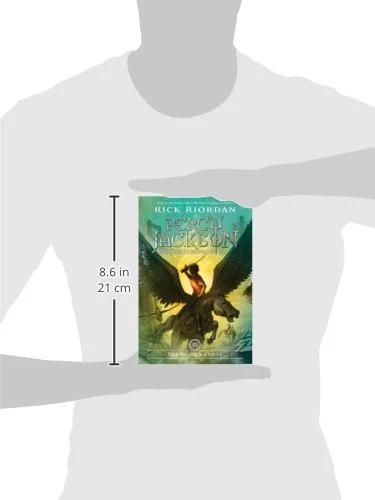
Front cover featuring a winged creature in flight against a golden and blue landscape with the author name and title text at top.

Who This Book Is For — and Where It Asks More of Readers

The Titan's Curse is squarely aimed at middle-grade readers who enjoy fast-paced quest narratives, accessible mythology, and ensemble casts with genuine stakes. The book is the series entry most often cited by fans as a tonal shift: character losses here are real, not temporary, and the story does not soften every consequence. Readers who prefer lighter adventure without lasting stakes may find this installment heavier than its predecessors. For those already invested in Percy, Annabeth, and Thalia, however, the novel's willingness to make its mythology matter — to let the quest carry a genuine cost — is precisely what earns it its reputation as a high point of the series. The novel is also available in audiobook format, read by Jesse Bernstein, for those who prefer to experience the story that way.

Sources & Further Reading

The key facts and claims in this review are grounded in the retrieved, verified sources listed below.

  1. Cited in this review
  2. 1
  3. 2
  4. Further reading
  5. 3
    Rick Riordan — author profileHigh-authority source

    Rick Riordan, Wikipedia

  6. 4
  7. 5
  8. 6
  9. 7
  10. 8
  11. 9
  12. 10
  13. 11
  14. 12
  15. 13