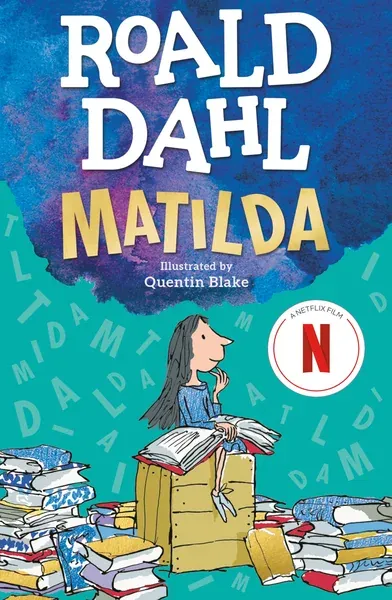
Roald Dahl's Matilda stands as one of children's literature's most enduring tales of a brilliant girl triumphing over terrible adults. Published in 1988, this story of a telekinetic child genius continues to captivate young readers while raising questions for parents about is Matilda appropriate for children of various ages. Like The BFG and Charlie and the Chocolate Factory, Dahl creates a world where children possess extraordinary power, but Matilda ventures into darker territory with its portrayal of neglect and institutional cruelty.
The novel follows Matilda Wormwood, a precocious five-year-old who develops supernatural abilities while enduring neglectful parents and the tyrannical headmistress Miss Trunchbull. What sets this apart from typical children's fantasy is Dahl's unflinching examination of adult cruelty and child resilience.
A Tale of Neglect and Telekinetic Revenge
Dahl crafts Matilda's story with his signature blend of whimsy and darkness. The narrative structure moves from establishing Matilda's extraordinary intellect and terrible home life to her battles at Crunchem Hall Primary School, culminating in her supernatural awakening and ultimate liberation.
The author's prose maintains the conversational, conspiratorial tone that made him beloved, directly addressing young readers while never talking down to them. Dahl's descriptions of Miss Trunchbull's punishments—throwing children by their pigtails, locking them in "The Chokey"—are genuinely frightening yet presented with enough theatrical absurdity to avoid being traumatic for most readers.
Matilda and Miss Trunchbull: A Study in Contrasts
Matilda herself represents every bookish child's fantasy—a girl whose love of reading translates into both intellectual superiority and literal power over her oppressors. Her telekinetic abilities serve as metaphor for the transformative power of education and self-advocacy. Dahl presents her not as perfect, but as resourceful and occasionally mischievous in her revenge plots.
Miss Trunchbull stands among literature's most memorable villains—a former Olympic hammer thrower who views children as maggots to be crushed. Her physical imposingness and creative cruelties make her genuinely menacing, yet Dahl's exaggerated descriptions push her into caricature territory that allows young readers to process the threat safely.
The supporting cast, from Matilda's neglectful parents to her kind teacher Miss Honey, reinforces the novel's central theme that adults exist on a spectrum from nurturing to monstrous, and children must learn to navigate this reality.
Themes of Empowerment and Educational Liberation
Matilda operates on multiple thematic levels that give it lasting resonance. Most obviously, it's a power fantasy for intelligent, bookish children who feel misunderstood or undervalued. Matilda's telekinesis allows her to exact justice on cruel adults who abuse their authority.
More subtly, Dahl explores educational philosophy through the contrast between Miss Trunchbull's authoritarian brutality and Miss Honey's nurturing approach. The novel argues that true education should cultivate children's natural curiosity rather than crush their spirits through fear and punishment.
The theme of chosen family emerges as Matilda ultimately finds her place with Miss Honey rather than her biological parents. This resolution suggests that meaningful relationships matter more than blood ties—a message that resonates with children from difficult home situations.
Dahl's Signature Style: Dark Comedy for Young Readers
Dahl's writing in Matilda exemplifies his mastery of children's literature. He treats young readers as sophisticated enough to handle complex emotions and moral ambiguity while maintaining accessibility for elementary school audiences. His descriptions balance the grotesque with the humorous—Miss Trunchbull's appearance is both terrifying and ridiculous.
The author's pacing builds tension effectively, particularly in sequences where Matilda practices her telekinetic abilities or confronts Miss Trunchbull. Dahl understands that children appreciate both justice and spectacle, delivering both in memorable set pieces like the newt incident and the final supernatural confrontation.
What Parents Should Know About Content and Age Appropriateness
Matilda contains genuinely dark elements that parents should consider. The Wormwood family's neglect of their daughter—emotional abandonment, intellectual dismissal, and general cruelty—may distress sensitive children or those from similar situations. Miss Trunchbull's punishments, while exaggerated, include physical violence and psychological intimidation.
The novel works best for readers aged 8-12 who can appreciate both the fantasy elements and the underlying social commentary. Independent readers will connect with Matilda's bookishness, while the supernatural elements provide excitement for those drawn to fantasy. Children experiencing school difficulties may find validation in Matilda's struggles with authority figures.
Parents should be prepared to discuss themes of family dysfunction, bullying, and standing up to unfair authority. The book's resolution, while satisfying, essentially requires a child to reject her birth family—a concept that may need contextual discussion.
A Beloved Classic with Genuine Bite
Matilda succeeds because Dahl refuses to soften life's harsh realities for young readers while still providing hope and empowerment. The novel acknowledges that some adults are genuinely terrible people who abuse their power over children, but it also demonstrates that intelligence, courage, and kind allies can overcome even the worst circumstances.
The book's enduring popularity—spawned stage musicals, films, and countless classroom readings—speaks to its emotional truth. Children recognize authentic emotions even in fantastical circumstances, and Matilda delivers both the validation of seeing cruel adults get their comeuppance and the comfort of knowing that kind, intelligent people do exist in the world.
For families seeking children's literature that respects young readers' intelligence while addressing real-world challenges, Matilda remains essential reading. Just be prepared for conversations about why some adults behave badly and how children can find their own strength and chosen family when biological family fails them.
Where to Buy
You can find Matilda at Amazon, your local bookstore, or directly from Penguin Random House, often in beautifully illustrated editions perfect for gift-giving.