A Reluctant Reader's Journey
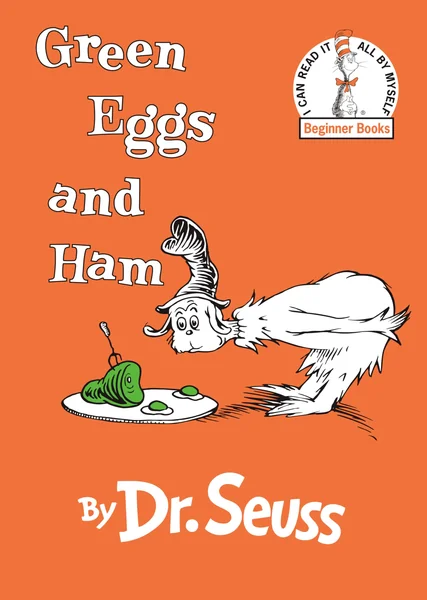
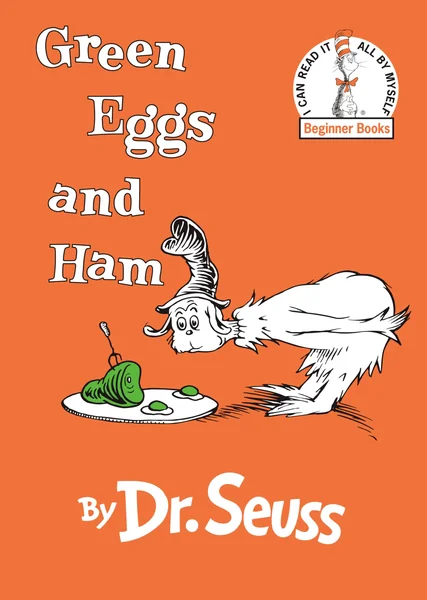
When it comes to determining whether Green Eggs and Ham is appropriate for preschoolers, this 1960 Dr. Seuss masterpiece stands as one of the most accessible and engaging early reader books ever created. Using just 50 unique words, Theodor Seuss Geisel crafted a story that transforms reading resistance into reading enthusiasm—much like how Sam-I-am transforms his unnamed friend's stubborn refusal into delighted acceptance.
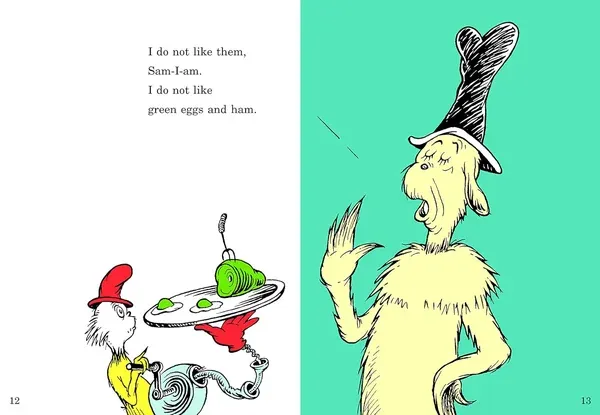
The brilliance of this book lies in its simple premise: persistent Sam-I-am follows another character throughout the story, repeatedly offering green eggs and ham in increasingly creative locations and situations. What begins as firm rejection ("I do not like green eggs and ham. I do not like them, Sam-I-am.") evolves into curious experimentation and eventual enthusiasm. For parents wondering about reading level and appropriateness, this book exemplifies why Dr. Seuss remains the gold standard for beginning readers.
Parents familiar with other beginner books like Go, Dog. Go! or Hop on Pop will recognize the deliberate vocabulary constraints that make Green Eggs and Ham so effective for emerging readers.
Seuss's Masterful Simplicity
The writing technique behind Green Eggs and Ham represents a fascinating literary challenge successfully executed. Dr. Seuss created this book as part of a bet with his editor Bennett Cerf, who wagered that Seuss couldn't write a compelling children's story using only 50 different words. The result demonstrates how creative constraints can produce remarkable art.
The repetitive structure serves multiple educational purposes for young readers. The familiar refrain "I do not like green eggs and ham" becomes a comfortable anchor point that builds reading confidence, while slight variations ("Would you like them in a house? Would you like them with a mouse?") introduce new vocabulary within a predictable framework. This technique helps preschoolers develop phonemic awareness and sight word recognition without overwhelming them.
Seuss's rhythmic cadence makes the text naturally appealing for read-alouds, with internal rhymes and alliteration that enhance the musical quality of the language. The progression from simple declarative statements to more complex conditional questions demonstrates sophisticated pedagogical design disguised as playful storytelling.
Sam-I-am and His Stubborn Friend
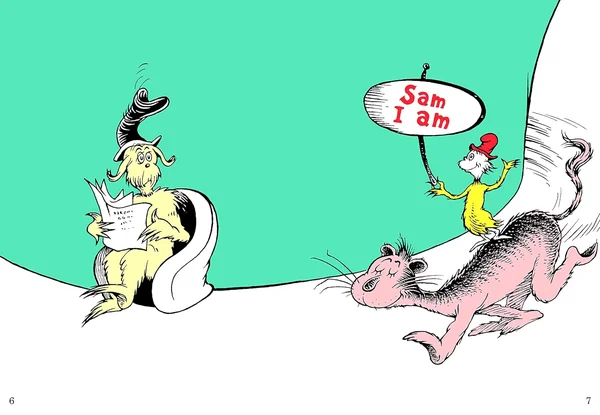
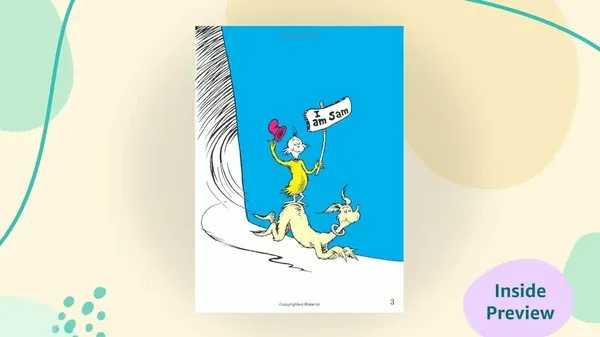
The character dynamics in Green Eggs and Ham create an immediately recognizable scenario for young readers. Sam-I-am embodies persistent optimism and creative problem-solving, never becoming discouraged by repeated rejections. His unwavering enthusiasm and inventive suggestions (trying the dish in a box, with a fox, on a train, in the rain) model positive social interaction and gentle persuasion.
The unnamed character represents the natural resistance many children feel toward new experiences, particularly unfamiliar foods. His journey from adamant refusal to surprised acceptance mirrors the developmental process young readers experience when encountering new books, new words, and new ideas. The character's final admission—"I do so like green eggs and ham! Thank you! Thank you, Sam-I-am!"—provides emotional satisfaction and models the rewards of remaining open to new experiences.
The relationship between these two characters teaches valuable lessons about persistence, patience, and the courage to try new things without being preachy or heavy-handed.
Themes That Resonate Beyond the Page
Green Eggs and Ham explores several age-appropriate themes that make it particularly suitable for preschoolers. The primary theme of trying new things speaks directly to young children's developmental stage, when food preferences, social situations, and learning experiences often trigger resistance. The book normalizes both the initial reluctance and the eventual willingness to experiment.
The persistence theme works on multiple levels—Sam-I-am's gentle but determined efforts demonstrate positive social skills, while the story structure itself teaches young readers about persistence in reading. Children who struggle with new books can identify with the unnamed character's resistance and find encouragement in his eventual success and enjoyment.
The friendship dynamic illustrates how relationships can involve patience, respect for boundaries, and shared joy in discoveries. Sam-I-am never becomes aggressive or disrespectful in his persistence, modeling appropriate social behavior for young readers learning about peer interaction.
Visual Storytelling That Enhances Understanding
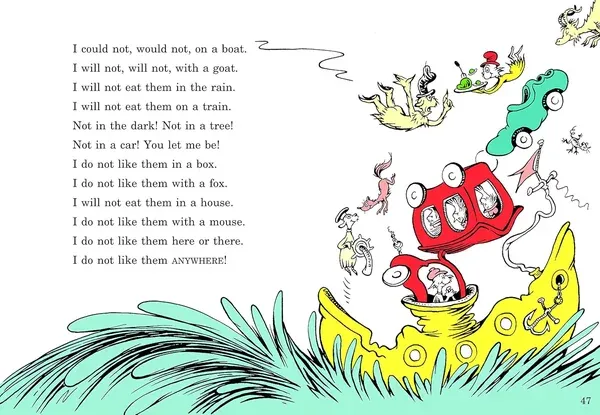
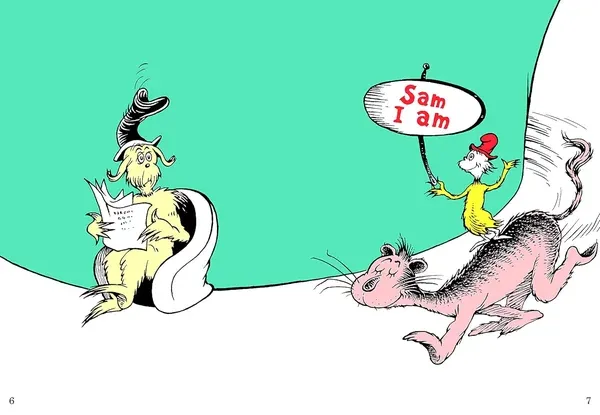
The illustrations in Green Eggs and Ham demonstrate Seuss's understanding of visual literacy for beginning readers. The simple, bold drawings support text comprehension without overwhelming young eyes. Each suggested location—the house, the tree, the car, the boat—receives clear, unambiguous visual representation that helps beginning readers connect words with concepts.
The color palette, dominated by the striking green of the titular dish, creates visual coherence while the varied settings maintain interest. The increasingly elaborate scenarios (train, tunnel, boat in water) build visual excitement that parallels the escalating verbal persistence of Sam-I-am.
The character expressions effectively convey emotion without relying on complex facial details, making the story accessible even for pre-literate children following along during read-alouds. The unnamed character's transformation from stern rejection to surprised delight is clearly communicated through simple but expressive cartoon features.
Why It Works for the Preschool Years
Green Eggs and Ham succeeds with preschoolers because it addresses their developmental needs without condescension. The vocabulary level challenges beginning readers appropriately—familiar words like "house," "mouse," and "box" combine with slightly more complex terms like "anywhere" and "would not" to create manageable learning progression.
The book's length provides sufficient story development to maintain interest while remaining short enough to prevent attention fatigue. At 62 pages with minimal text per page, it offers the satisfaction of completing a "real book" without overwhelming young readers. However, parents should note that some preschoolers may find the repetitive structure either comforting or potentially monotonous, depending on individual preferences.
The moral lesson emerges naturally from the story action rather than through explicit instruction, respecting young readers' intelligence while providing gentle guidance about openness to new experiences.
You can find Green Eggs and Ham at Amazon, your local bookstore, or directly from Random House Books for Young Readers.