A Timeless Ritual in Rhyme
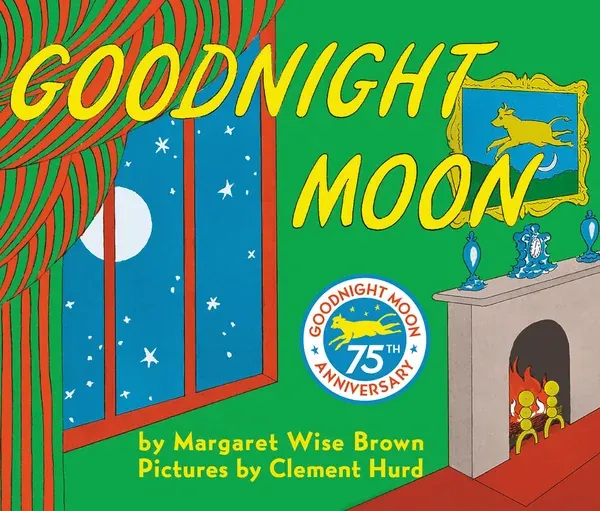
When parents ask is Goodnight Moon appropriate for newborns, the answer is an emphatic yes. Margaret Wise Brown's gentle masterpiece has been lulling children to sleep for generations, and its magic works from the very earliest months of life. Unlike more stimulating picture books that might overstimulate tiny minds before bed, this quiet story creates the perfect wind-down atmosphere through its hypnotic rhythm and gradually dimming illustrations.
The story follows a young bunny saying goodnight to everything in his bedroom—from mittens and kittens to stars and air. What makes this book exceptional for the youngest readers is its deliberate simplicity and soothing cadence. Parents of newborns will find that the repetitive "goodnight" structure creates a meditative quality that calms both baby and reader. Similar to The Runaway Bunny, another Brown classic, the book taps into something primal about comfort and security.
Clement Hurd's Visual Lullaby
The illustrations by Clement Hurd are integral to why Goodnight Moon works so effectively as a bedtime story. Hurd's artwork gradually shifts from bright, colorful scenes to increasingly darker, more muted tones as the story progresses—literally dimming the lights as bedtime approaches. This visual transition mirrors what happens during actual bedtime routines, making the book feel like a natural part of the sleep process.
For newborns specifically, the high-contrast elements in the earlier pages provide visual interest during those brief moments of alertness, while the darker final pages won't overstimulate sensitive eyes. The familiar objects scattered throughout the room—a telephone, a brush, a bowl of mush—create a sense of security and recognition that even very young children respond to instinctively.
The Science Behind the Soothing
What makes Goodnight Moon particularly effective for babies is its understanding of how young minds process information before sleep. The repetitive structure ("goodnight" appears dozens of times) creates a hypnotic effect similar to a lullaby. The rhythm Brown employs—alternating between rhyming couplets and simple declarative statements—mirrors the natural cadence of a parent's soothing voice.
The book's genius lies in its restraint. Where many children's books amp up excitement and adventure, Goodnight Moon deliberately does the opposite. It slows everything down, creates a sense of completion and closure, and gently guides readers toward quiet. For parents wondering about Goodnight Moon age recommendations, this calming quality makes it suitable from birth through toddlerhood and beyond.
Beyond the Bedtime Routine
While primarily known as a bedtime story, Goodnight Moon offers more than just sleep preparation. The book introduces basic concepts like object recognition, spatial relationships, and the passage of time. The little bunny's systematic farewell to his environment teaches children about categorization and observation. These educational elements work subtly, never overwhelming the story's primary purpose but adding layers that grow with the child.
The old lady whispering "hush" provides a gentle authority figure who models calm behavior without being intrusive. This character often resonates with caregivers who see themselves reflected in her patient presence. The book acknowledges that bedtime isn't always immediate—sometimes we need to wind down gradually, saying goodbye to the day piece by piece.
A Few Gentle Criticisms
While Goodnight Moon deserves its classic status, it's not without minor limitations. Some modern parents find the "mush" reference dated, and the book's gender assumptions (the bunny is referred to as "he") feel less inclusive than contemporary picture books. The story's very simplicity, while generally a strength, occasionally leaves some children wanting more narrative complexity as they grow older.
The book also reflects its era in subtle ways that might feel antiquated—the formal bedroom setting, the old-fashioned objects, the somewhat rigid bedtime routine. However, these elements often add to rather than detract from the book's timeless appeal, creating a sense of tradition and continuity that many families cherish.
The Perfect First Library Addition
For parents building their newborn's first book collection, Goodnight Moon earns its place as an essential title. Its effectiveness spans the entire 0-4 age range mentioned in the subtitle, adapting naturally as children develop. Newborns respond to the rhythmic language and high-contrast visuals, while toddlers begin recognizing and naming objects, eventually "reading" along with familiar passages.
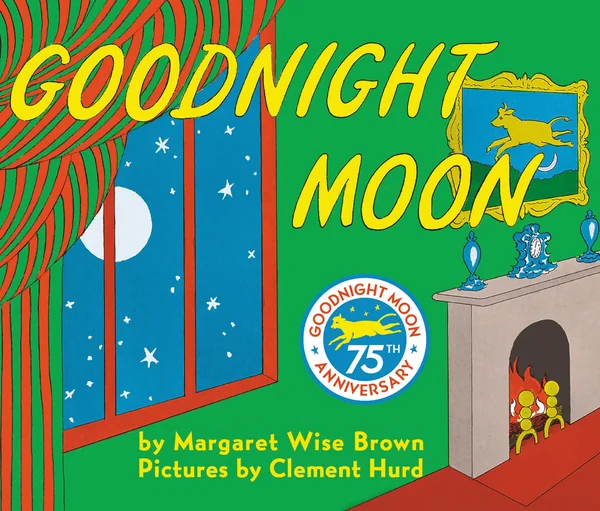
The book's durability—both physical and literary—makes it a worthwhile investment. Board book versions withstand enthusiastic handling from tiny hands, while the story itself never grows old. Many parents report that Goodnight Moon becomes so associated with bedtime in their household that simply seeing the cover signals sleep time to their children.