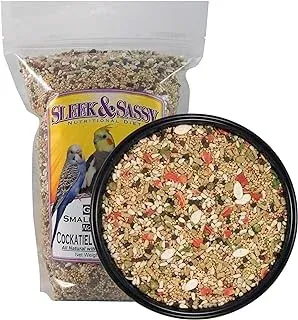
Should you switch your lovebird or cockatiel to sunflower-free food? Garden Small Hookbill No Sunflower Bird Food specifically targets small hookbill species that can become overweight from high-fat sunflower seeds. This 2-pound blend focuses on variety and balanced nutrition for birds prone to sunflower seed addiction.
Many small hookbill owners struggle with birds that pick out only sunflower seeds, leaving behind more nutritious ingredients. This formulation eliminates that temptation entirely, forcing birds to eat a more balanced diet. The colorful seed mix appeals to the visual preferences of cockatiels, lovebirds, and small conures while promoting healthier eating habits.
Ingredients & Nutrition
The blend contains safflower seeds, millet varieties (white and red), canary seed, oats, buckwheat, and dried vegetables. Safflower seeds serve as the primary protein source, offering similar appeal to sunflower seeds but with lower fat content and better amino acid profiles for small birds.
Millet varieties provide essential carbohydrates and are naturally favored by most hookbills. The inclusion of canary seed adds omega fatty acids, while oats contribute fiber for digestive health. Buckwheat offers B-vitamins and minerals often lacking in all-seed diets.
The vegetable pieces (typically carrots and peas) add vitamins A and C, though many birds initially ignore these components. The absence of artificial colors, preservatives, and sunflower seeds addresses the two biggest concerns in commercial bird foods: chemical additives and nutritional imbalance from fat-heavy seeds.
However, this mix lacks pellets, which many avian veterinarians recommend as the foundation of small bird diets. Seeds should comprise only 10-15% of a healthy bird's intake according to [Association of Avian Veterinarians](https://www.aav.org) guidelines.
Who It's Best For
Perfect for birds addicted to sunflower seeds, this food works best during dietary transitions. Lovebirds and cockatiels that have become overweight or refuse to eat anything except sunflower seeds benefit most from this formulation.
Small conures (green cheek, sun conures) also adapt well to this mix, though larger conure species need foods with bigger seed varieties. Quaker parrots can eat this food, but they typically prefer more substantial seeds and nuts.
Birds already eating balanced diets with pellets can use this as a healthy treat or foraging enrichment rather than a primary food source. The variety encourages natural foraging behaviors when scattered or hidden around the cage.
Not suitable for seed-only diets long-term. Birds fed exclusively seeds, even high-quality mixes like this, develop nutritional deficiencies over time. The lack of pellets means owners must supplement with fresh vegetables and potentially vitamin supplements.
Feeding Guidelines
Offer 1-2 tablespoons daily for lovebirds and cockatiels, 2-3 tablespoons for small conures and Quaker parrots. Remove uneaten food after 24 hours to prevent spoilage and bacterial growth.
During dietary transitions, mix this food with your bird's current diet, gradually increasing the proportion over 7-10 days. Some birds initially reject unfamiliar seeds, requiring patience and consistency.
Store the 2-pound bag in airtight containers after opening to maintain freshness and prevent pest infestation. The packaging date matters more than expiration dates for seed quality—fresher seeds have better nutritional value and taste appeal for birds.
Supplement with high-quality pellets (70-80% of diet), fresh vegetables, and limited fruits. This seed mix should represent no more than 15-20% of daily food intake for optimal health.
The Bottom Line
Garden Small Hookbill No Sunflower Bird Food serves its purpose well as a sunflower-free alternative for small hookbills. The ingredient quality is solid, and most birds accept the transition relatively easily compared to moving directly to pellets.
The 2-pound size works well for single-bird households, lasting 2-3 months when used appropriately as part of a balanced diet. The price falls in the mid-range for specialty bird foods, making it more affordable than premium organic blends but costlier than basic seed mixes.
Where it falls short is in serving as a complete diet replacement. Birds need pellets as their dietary foundation, making this more of a transitional tool than a permanent solution. The lack of larger seeds also means it's less satisfying for birds that enjoy cracking tougher shells.
For birds struggling with sunflower seed addiction or owners wanting to improve their pet's diet gradually, this food delivers on its promises. Just remember that sustainable bird health requires pellets, vegetables, and variety—not just better seed mixes.
Consult your avian veterinarian before making significant dietary changes, especially if your bird has existing health conditions or has been eating a seed-only diet.