
Essential Coming-of-Age Novels for High School English Classes
Curated recommendations for High school English teachers seeking contemporary coming-of-age novels for classroom discussion
6 books
Perfect for: High school English teachers seeking contemporary coming-of-age novels for classroom discussion
Contemporary coming-of-age novels offer high school students mirrors to see themselves and windows into others' experiences, making them invaluable tools for exploring adolescent identity, trauma, and resilience. These six carefully selected titles provide rich material for classroom discussion while addressing the complex realities of teenage life with honesty and depth. From John Green's thoughtful exploration of mortality and love to Laurie Halse Anderson's unflinching examination of trauma recovery, each book opens pathways for meaningful conversations about growth, healing, and finding one's voice. These novels don't shy away from difficult topics, instead treating young readers with the respect they deserve while providing hope and insight. Perfect for building a comprehensive unit that resonates with students' lived experiences, these books combine literary merit with contemporary relevance, ensuring engaging discussions that will stay with students long after graduation.
#1
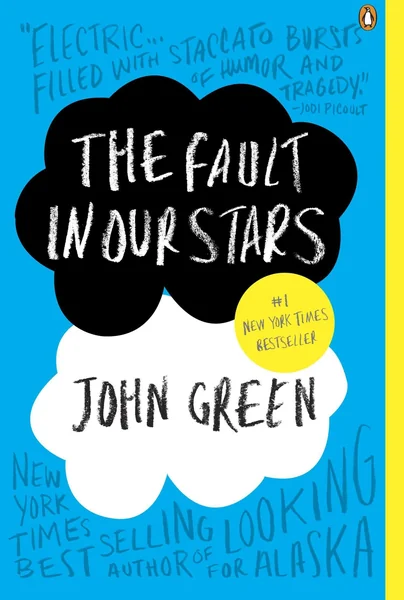
The Fault in Our Stars by John Green
4.5
Green's masterful exploration of mortality and meaning makes this essential for discussions about adolescent identity formation under extreme circumstances. Hazel Grace Lancaster's journey transcends typical cancer narratives, offering students a protagonist who grapples with philosophical questions about legacy and purpose while navigating first love. The novel's strength lies in its refusal to sentimentalize illness—instead presenting authentic teenage voices confronting existential questions that resonate beyond the medical setting. Teachers will find rich material for examining how trauma shapes identity, the role of literature in processing difficult experiences, and the ways young people find resilience through connection. Green's blend of intellectual depth with genuine emotion creates multiple entry points for classroom analysis, from character development to thematic exploration of what constitutes a meaningful life.
"This YA contemporary fiction has sparked countless discussions about whether it's appropriate for teens, and after careful consideration, the answer isn't as simple as checking an age rating."
#2
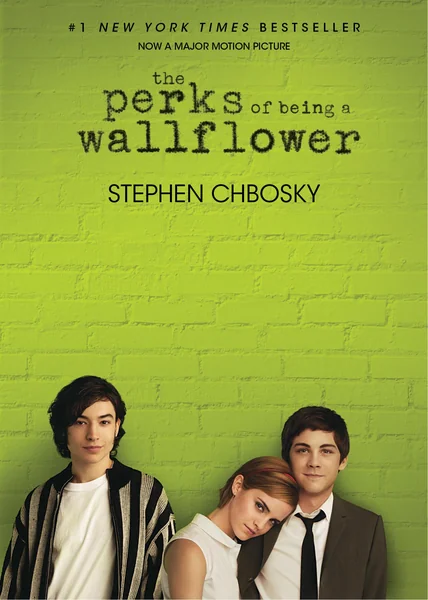
The Perks of Being a Wallflower by Stephen Chbosky
4.2
Chbosky's epistolary format creates an intimate classroom experience that draws students directly into Charlie's psychological journey. The letter structure naturally facilitates discussions about voice, perspective, and the unreliable narrator—key literary concepts for high school analysis. Set in the early 1990s, the novel's exploration of belonging and identity formation resonates across generations while offering historical context about pre-digital adolescence. Charlie's role as observer-narrator provides excellent material for examining how trauma affects perception and memory. The authentic portrayal of teenage friendships, particularly Charlie's relationships with Sam and Patrick, opens discussions about found family and the healing power of acceptance. Teachers will appreciate how Chbosky balances serious themes with genuine hope, creating space for difficult conversations about mental health, abuse, and recovery while demonstrating the transformative power of literature and human connection.
"This delayed understanding mirrors the actual experience of adolescence, where significant events often reveal their true meaning only in retrospect."
#3
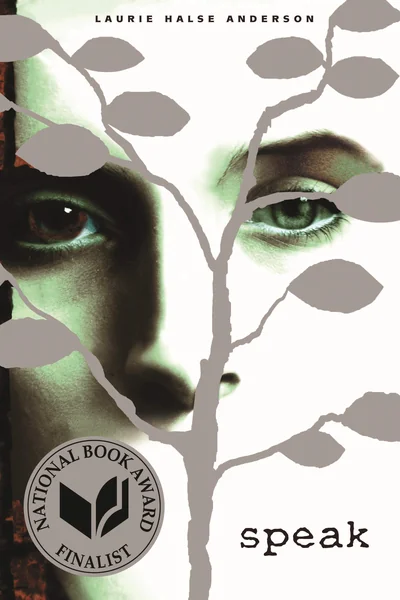
Speak by Laurie Halse Anderson
4.2
Anderson's groundbreaking novel remains the gold standard for classroom discussions about trauma, voice, and recovery. Melinda's journey from silence to speech provides a powerful framework for exploring how adolescents process devastating experiences and find pathways to healing. The fragmented narrative structure—organized by marking periods rather than traditional chapters—offers rich opportunities for analyzing how literary form mirrors psychological content. Anderson's surgical precision in prose creates multiple discussion points about word choice, symbolism, and the power of understatement. The art therapy elements provide concrete examples of alternative forms of expression, making this particularly valuable for interdisciplinary connections. Teachers will find the novel's focus on institutional responses to trauma highly relevant for contemporary classroom discussions about support systems, bystander responsibility, and the long-term effects of sexual violence on adolescent development and identity formation.
"Anderson writes with surgical precision, cutting away anything that doesn't serve Melinda's emotional journey."
#4
Bridge to Terabithia by Katherine Paterson
4.2
Bridge to Terabithia offers high school teachers a masterclass in how literature can address adolescent trauma with unflinching honesty. Jesse Aarons' struggle with identity—trapped between family expectations and his artistic nature—resonates powerfully with teen readers navigating their own self-discovery. Paterson's genius lies in building the fantasy world of Terabithia as both escape and metaphor for resilience, making this novel perfect for classroom discussions about coping mechanisms and emotional growth. The book's "sudden and realistic" approach to grief provides authentic material for exploring how young people process loss and trauma. Like Charlotte's Web, it uses friendship as a framework for profound themes, but Paterson's treatment feels more immediate and relevant to adolescent experiences. Teachers will find rich material for discussing how imagination and creativity serve as tools for resilience, while the novel's emotional complexity ensures meaningful conversations about identity formation during turbulent times.
"Paterson's approach to grief feels more sudden and realistic than many other children's classics, making age appropriateness a genuine concern for thoughtful parents."
#5
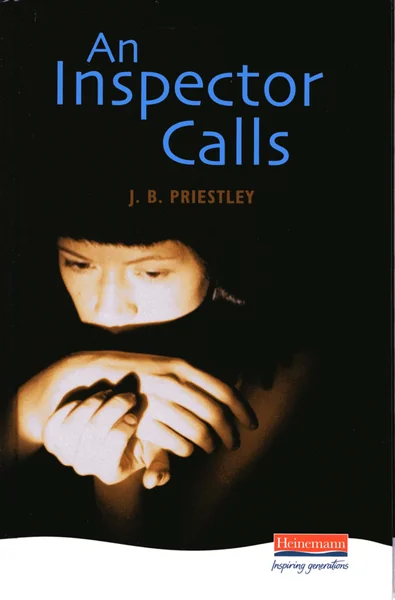
An Inspector Calls by J.B. Priestley
4.5
An Inspector Calls delivers everything high school English teachers need for exploring adolescent moral development and social responsibility. Priestley's masterful construction uses compelling mystery elements to examine how individual actions create collective harm—a theme that resonates deeply with teens developing their ethical framework. The play's exploration of "hidden guilt and moral awakening" provides perfect material for discussions about accountability and social justice. Set in 1912 but written in 1945, the temporal layers create rich opportunities for historical context while maintaining fierce relevance to contemporary issues. The psychological excavation of the Birling family's complicity in Eva Smith's tragedy offers concrete examples of how privilege and indifference contribute to systemic harm. Teachers will appreciate how the drama "doesn't just entertain; it challenges young readers to examine their own moral compass," making it ideal for curriculum units focusing on identity formation and social consciousness during the crucial high school years.
"This play doesn't just entertain; it challenges young readers to examine their own moral compass and social obligations."
#6
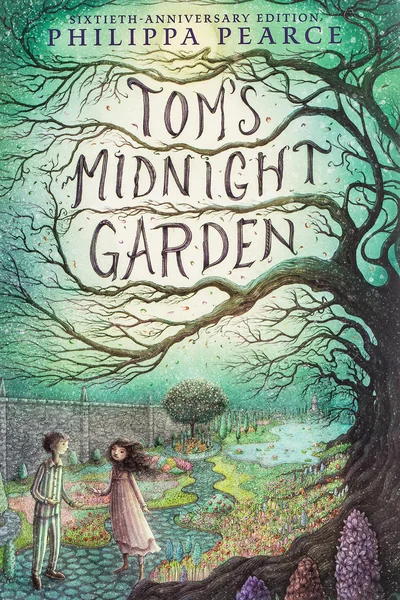
Tom's Midnight Garden by Philippa Pearce
4.5
Tom's Midnight Garden offers high school teachers a sophisticated exploration of time, memory, and growing up that respects students' intelligence while delivering genuine emotional depth. Tom Long's displacement—sent away during a family crisis—mirrors the adolescent experience of feeling caught between childhood and maturity. Pearce's "lyrical quality that elevates this above typical children's fiction" creates rich material for literary analysis, while the time-travel element provides metaphorical framework for discussing how the past shapes identity. The novel's "deliberate pacing that builds atmosphere and emotional depth" teaches students to appreciate literature that prioritizes character development over action. Teachers will find the book's themes of isolation, imagination, and intergenerational connection perfect for exploring how young people navigate trauma and resilience. The "dreamlike quality" of Pearce's prose offers excellent opportunities for discussing narrative voice and style, while the story's exploration of loneliness and discovery resonates authentically with teenage experiences of displacement and self-discovery.
"Pearce writes with a clarity that never talks down to young readers while maintaining the lyrical quality that elevates this above typical children's fiction."
Final Thoughts
These six novels represent the best of contemporary young adult literature, offering students authentic voices and meaningful stories that illuminate the complexities of growing up. Each book provides multiple entry points for discussion, from literary analysis to personal reflection, making them ideal for differentiated instruction. By engaging with these carefully chosen texts, students develop both critical thinking skills and emotional intelligence while seeing their own struggles and triumphs reflected in literature. Consider starting with the title that best matches your students' current needs and interests, then building out your curriculum unit from there.
Frequently Asked Questions
Which books are best for discussing trauma and recovery in the classroom?
"Speak" by Laurie Halse Anderson is particularly powerful for trauma discussions, while "The Perks of Being a Wallflower" handles multiple forms of adolescent struggle with sensitivity.
Are these books appropriate for all high school grade levels?
Most work well for grades 9-12, though "The Fault in Our Stars" and "Speak" are better suited for upper grades due to mature themes requiring emotional readiness.
How do these novels address identity development themes?
Each book explores identity formation differently - from Charlie's self-discovery in "Perks" to Melinda's journey to find her voice in "Speak" - providing diverse perspectives on teenage growth.
Which books work well for reluctant readers?
"The Fault in Our Stars" and "The Perks of Being a Wallflower" tend to engage reluctant readers through compelling characters and accessible writing styles.
Can these books be used for cross-curricular connections?
Yes! "The Fault in Our Stars" connects to science and philosophy, while several titles offer opportunities for psychology and social studies discussions about adolescent development.
What discussion themes work across multiple books on this list?
Common themes include finding one's voice, dealing with loss, navigating relationships, overcoming challenges, and the transition from childhood to adulthood - perfect for comparative analysis.
Reader Comments
TeachesEnglish_Daily
3 weeks agoThis is exactly what I was looking for! I've been trying to update my curriculum to include more contemporary voices alongside the classics. "Speak" has been transformational in my classroom - students connect with Melinda's journey in ways that surprise me every semester. The discussions about trauma and healing are so important. Has anyone taught "The Fault in Our Stars" to 9th graders? Wondering about age appropriateness for the younger end of high school.
midnight_page_turner
3 weeks agohold up... an inspector calls is coming of age?? i mean i get the social responsibility angle but feels more like social commentary than adolescent identity to me
BookwormMom_3kids
2 weeks agoI'm not a teacher but my daughter's class read "Bridge to Terabithia" last year and wow, the waterworks! Such a beautiful exploration of friendship and loss. I ended up reading it myself and was amazed at how Katherine Paterson handles such heavy themes with such grace. "Tom's Midnight Garden" is new to me though - adding to my TBR!
LuvemBooks
@TeachesEnglish_Daily Great question about age appropriateness! "The Fault in Our Stars" deals with some mature themes around terminal illness and mortality, so I'd recommend it more for grades 10-12. The emotional complexity really resonates with older teens who have more life experience to draw from. For 9th graders, you might consider starting with "Perks of Being a Wallflower" which tackles similar themes of identity and belonging but feels more accessible to younger students.
classic_lit_defender
2 weeks agoSolid list overall, though I'm surprised "Catcher in the Rye" didn't make the cut. I know it's polarizing, but Holden's alienation still speaks to students today. Also agree with @midnight_page_turner about "An Inspector Calls" - feels like it belongs more in a social justice/historical context unit than coming-of-age.
procrastinating_reader_99
1 week agothe perks of being a wallflower literally changed my life in high school ngl... charlie's letters felt so real and raw. definitely ordering speak for my classroom library
YABookObsessed
1 week agoLove seeing John Green represented! His ability to write authentic teen voices is unmatched. Though I have to ask - where's "Thirteen Reasons Why"? I know it's controversial but it opens up such important conversations about mental health and bullying that high schoolers need to have.
LuvemBooks
@YABookObsessed That's a thoughtful suggestion! "Thirteen Reasons Why" was actually considered for this list, but we ultimately decided to focus on books that explore resilience and recovery rather than those that center on suicide as a plot device. "Speak" and "The Fault in Our Stars" both deal with heavy topics while emphasizing healing and hope, which felt more appropriate for classroom discussions.
suburban_librarian
5 days agoAs someone who works with teens daily, this list hits all the right notes. "Speak" should be required reading honestly - Laurie Halse Anderson's handling of trauma and finding your voice is masterful. I'm curious about using "Tom's Midnight Garden" - is the fantasy element engaging enough for reluctant readers, or does it feel too old-fashioned?
coffee_and_chapters
4 days agoJust finished reading through this entire list for my curriculum planning and WOW. The emotional range is perfect for exploring different aspects of growing up. "Bridge to Terabithia" still makes me cry every time - that lesson about how loss shapes us is so powerful.
skeptical_reader_42
3 days agogood selections but feels very heavy on the trauma side... where are the coming of age stories about joy, discovery, first love without the devastating circumstances? not every teen story needs to be about overcoming tragedy
LuvemBooks
@skeptical_reader_42 That's excellent feedback! You're absolutely right that coming-of-age encompasses more than just overcoming trauma. Books like "The House You Pass on the Way" by Jacqueline Woodson or "Aristotle and Dante Discover the Secrets of the Universe" would be great additions for exploring identity, friendship, and first love in more hopeful contexts. Thanks for that perspective!
new_teacher_panic
2 days agoomg thank you for this list!! first year teaching and I've been drowning trying to find books that will actually engage my students while covering the curriculum standards. just ordered half of these for my classroom
weekend_reader_only
1 day agogreat list!
BookClubCoordinator
6 hours agoUsing several of these for our high school book club selections this year. "The Perks of Being a Wallflower" generated the most passionate discussion we've had in years - students were still talking about Charlie's journey weeks later. The authentic voice really resonates across different backgrounds and experiences.