
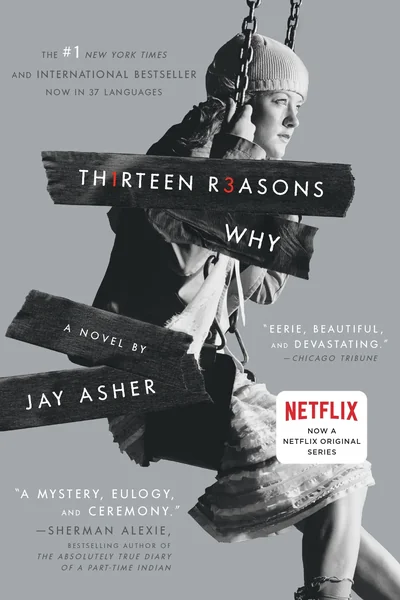
Thirteen Reasons Why by Jay Asher
by Jay Asher
2.5/5
1 book reviewed · 2.5 avg
While Thirteen Reasons Why succeeds in sparking important conversations about teenage mental health and bullying, its problematic portrayal of suicide as justified revenge undermines its potential positive impact and raises serious concerns about its influence on vulnerable young readers.
What works
• The dual narrative structure alternating between Hannah's recorded voice and Clay's real-time reactions creates compelling immediacy
• The cassette tape device forces recipients to experience Hannah's pain in real time, creating psychological weight that mirrors her experience
• Asher writes with deliberate restraint when depicting suicide, using accessible and direct prose that maintains story impact
• The novel effectively captures the authentic voice of teenage despair
• Clay Jensen serves as an effective reader surrogate, making the bystander's perspective relatable
What doesn't
• Presents Hannah's reasoning without sufficient challenge to her flawed logic, potentially validating suicide as an understandable response to teenage drama
• Reinforces the problematic notion that others bear responsibility for preventing someone's suicide
• Hannah's cognitive distortions and thought patterns aren't adequately challenged, instead presenting them as valid justifications
• The supporting cast exists only through Hannah's skewed perspective, limiting full understanding of their motivations