8 min read
4.4
· 2,186 Amazon ratingsShare This Review
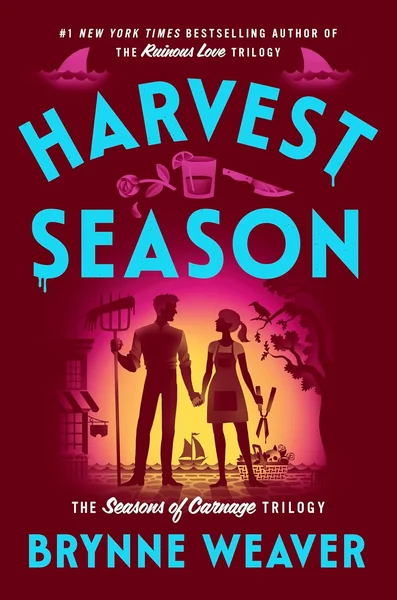
Harvest Season by Brynne Weaver Review: A Darkly Funny, Thrillingly Steamy Sequel
Harvest Season is the instant #1 New York Times bestselling second novel in Brynne Weaver's Seasons of Carnage trilogy, a dark romantic comedy set in the quaint, corpse-riddled town of Cape Carnage, where protagonists Harper and Nolan are pulled deeper into a bloody scheme — and into each other. Published by Slowburn in June 2026, the book blends grumpy-meets-grumpy banter, forced proximity, and murderous intrigue into what Penguin Random House's coverage describes as a romance that readers "can't put down." This review draws on the book's contents and published reception, not hands-on use.
 Tap to enlarge
LuvemBooks Verdict
Best for
Fans of Brynne Weaver's Ruinous Love trilogy — or anyone already hooked on Tourist Season — who want more of Cape Carnage's darkly comic, aggressively spicy killer-romance formula with added emotional depth.
Worth it if
You're invested in Harper and Nolan's world, enjoy a grumpy/grumpy dynamic with genuine romantic tension, and can appreciate a thriller-comedy hybrid that doesn't soften its irreverent edges.
Skip if
You're coming in cold from book one, prefer tonally earnest romance without comedic violence, or find that pacing issues in trilogy mid-installments tend to test your patience.
What readers & critics say
Gobookmart.com calls Harvest Season "darker, smarter, and more emotionally layered than its predecessor," crediting Weaver with rare ability to combine romance, murder, comedy, and suspense into something addictive. Themovingwords.com echoes the praise, describing it as a "deliciously dark, wicked, and spicy addition to the dark romance genre" with an "irresistible" cast and jaw-dropping ending, while flagging that some critical plot transitions could move faster — a pacing note also raised by thenerddaily.com, which found the novel "a bit drawn out" with moments of repetition in Harper and Nolan's dynamic.
Sources: gobookmart.com, themovingwords.com, thenerddaily.com, bookishelf.comAsk LuvemBooks
Was this helpful?
- Is it worth reading?
- For readers already invested in Weaver's brand of dark, funny, aggressively spicy romance — particularly those who followed her through the Ruinous Love trilogy or read Tourist Season — Harvest Season delivers on every axis the series established. Its instant #1 New York Times bestseller status reflects a firmly established readership that clearly finds her formula compelling. The key caveat is that this is a book for the already-converted: cold-start readers may find the world's context assumed rather than built, and those who prefer emotionally earnest or tonally grounded romance will find Weaver's irreverent approach a genuine mismatch.
- Similar books
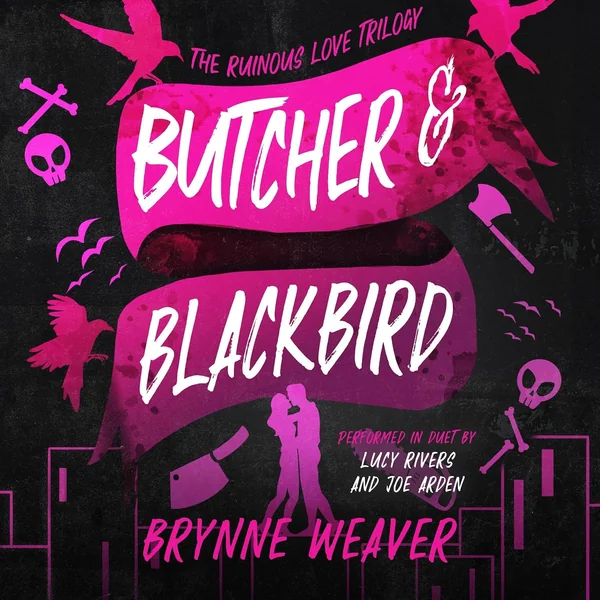
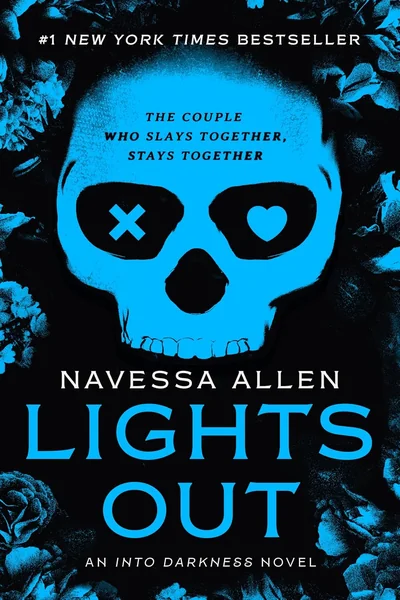
- Readers drawn to Harvest Season's dark, thriller-adjacent romance will find familiar ground in several titles. Brynne Weaver's own Butcher & Blackbird (the first novel in the Ruinous Love trilogy) showcases the same signature formula of irreverent humor and killer protagonists that built her readership. H.D. Carlton's Haunting Adeline is another touchstone for readers who want morally dark, high-heat romance with genuine menace. Navessa Allen's Lights Out offers a similarly intense and boundary-pushing romantic thriller experience. For readers who want the grumpy dynamic with a lighter comic touch, Elena Armas's The Spanish Love Deception and Emily Henry's Happy Place represent the sunnier end of the spectrum Weaver deliberately subverts.
- Who should read this?
- Harvest Season is designed for adult readers already fluent in dark romance — specifically those who came to Weaver through the Ruinous Love trilogy or read Tourist Season first. The ideal reader is someone who finds morally compromised protagonists compelling rather than off-putting, enjoys the rare grumpy/grumpy dynamic over the more common grumpy/sunshine pairing, and is comfortable with comedy that treats violence with irreverence. Readers who prefer emotionally earnest romance, tonally grounded storytelling, or thriller-free love stories are explicitly not the intended audience — and the book, as LuvemBooks notes, makes no effort to court them.
- Are there content warnings?
- Yes — Weaver's publisher includes explicit content warnings at the opening of Harvest Season, which LuvemBooks notes as a responsible design choice for a series operating in genuinely dark territory. The novel contains graphic violence treated with comedic irreverence, mature and explicit romantic content, and themes related to Alzheimer's disease woven into Harper's emotional storyline involving her father figure Arthur. Readers sensitive to any of these elements should consult the publisher's advisories before reading.
- Does it work as a standalone?
- Harvest Season is not designed as a standalone. As book two of the Seasons of Carnage trilogy, it is architected for readers who have come in through Tourist Season, and those arriving cold may find themselves navigating an established world without the full context its dynamics reward. Weaver deepens an existing world rather than builds a new one, which is a strength for invested readers and a barrier for newcomers.
- Where should I start with this author?
- Brynne Weaver built her readership with the Ruinous Love trilogy — of which Butcher & Blackbird is the first novel — before launching the Seasons of Carnage series with Tourist Season. Readers new to Weaver are generally best served starting with either Butcher & Blackbird (for her established formula in a different series) or Tourist Season (for the Seasons of Carnage arc that leads directly into Harvest Season). Both paths deploy the same signature blend of irreverent humor, high heat, and morally compromised protagonists.
Summarize this book
Follow up
Synthesized from verified book data & published reviews · How we review
Press Enter to ask. Answers come from our editorial Q&A — start typing to see related questions.
Age & Reading Level
Recommended age
Adult
Reading level
Adult
3 content notes · who it suits
Content to know about
Best for: Adults 18+ — explicit sexual content, graphic violence, and a comedic treatment of murder make this unsuitable for younger readers.
Skip if you prefer emotionally earnest, tonally grounded romance without thriller-adjacent darkness or comedic irreverence about violence.
Our Review
What the Book Is and What It Contains
Weaver's Brand and Place in Dark Romance
The Tropes and Romantic Architecture

Emotional Depth Beyond the Central Romance
Who This Book Is For — and Where It Has Limits
Sources & Further Reading
The key facts and claims in this review are grounded in the retrieved, verified sources listed below.
- Cited in this review
- 1
penguinrandomhouse.com
- 2
- 3
fablesandfairytale.com
- Further reading
- 4
thenerddaily.com
- 5
- 6
wordsonpagesbookshop.com
- 7
Books like Harvest Season
Curated picks for readers who enjoyed Harvest Season, with our reasoning for each match.