8 min read
4.5
· 9,481 Amazon ratingsShare This Review

Our review
Zak George's Dog Training Revolution by Zak George & Dina Roth Port Review: A Comprehensive, Positive-Method Training Guide
Zak George's Dog Training Revolution is a thorough, chapter-by-chapter guide to raising and training a dog, co-written by YouTube personality and Animal Planet trainer Zak George and award-winning journalist Dina Roth Port, and published by Ten Speed Press in 2016. The book covers everything from choosing the right dog to troubleshooting common behavioral problems, all within a positive-reinforcement framework. This review is based on published sources and reception from named outlets, not hands-on use.
LuvemBooks Verdict
Best for
New or prospective dog owners who want a single, organised positive-reinforcement resource covering the full arc of dog ownership — from breed selection through housetraining, behavioural troubleshooting, and ongoing health care — and who are comfortable supplementing the text with linked YouTube videos.
Worth it if
You want one comprehensive, accessible handbook built around a proven positive-reinforcement philosophy, endorsed by a credentialed behaviourist, and written in a practitioner's voice rather than an academic one.
Skip if
You already have an advanced training background or need deep specialist coverage of competition obedience, working-dog protocols, or clinical behavioural modification — the breadth-first approach leaves those areas at an introductory level.
What readers & critics say
Reader blogs highlight the book's philosophy as "revolutionary" in reshaping the human–dog relationship through trust and communication (motherofrescues.com), while a knitting-and-reading blogger reports that every technique tried with her puppy "worked like a charm" and praises the book as "so packed with great ideas" (yumiyarns.com).
Sources: Mother of Rescues, Yumi YarnsAsk LuvemBooks
Was this helpful?
- Is it worth reading?
- For new or prospective dog owners seeking a single organized resource, Zak George's Dog Training Revolution delivers genuine depth: it spans the full arc of dog ownership rather than focusing narrowly on puppies or obedience alone, and its YouTube video integration lets readers see advice demonstrated in real time — a meaningful advantage over purely text-based guides. The endorsement from Dr. Ian Dunbar, one of the most credentialed voices in applied animal behavior, speaks to the book's substantive coverage rather than just its celebrity appeal. The honest caveat is scope: because the book covers everything from breed selection to trick training, individual topics are treated at an introductory level, and readers with advanced or highly specialized needs will likely require supplementary resources.
- Who should read this?
- Zak George's Dog Training Revolution is designed primarily for new or prospective dog owners who want a single, organized resource covering the full scope of responsible dog ownership and positive-reinforcement training. Readers who prefer a practitioner's voice — energetic and supplemented by video — over a strictly academic or purely text-based approach are the natural audience. Those dealing with a specific behavioral problem (aggression, excessive barking, leash pulling) will also find a relevant entry point even without reading cover-to-cover. Readers with advanced training goals or highly specialized working-dog needs should calibrate expectations, as the guide is pitched at the general pet owner.
- Similar books
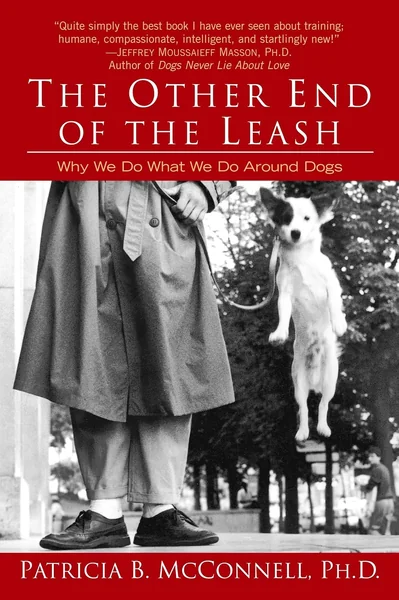
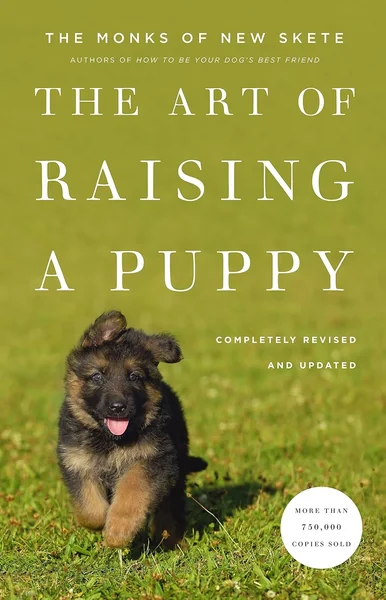
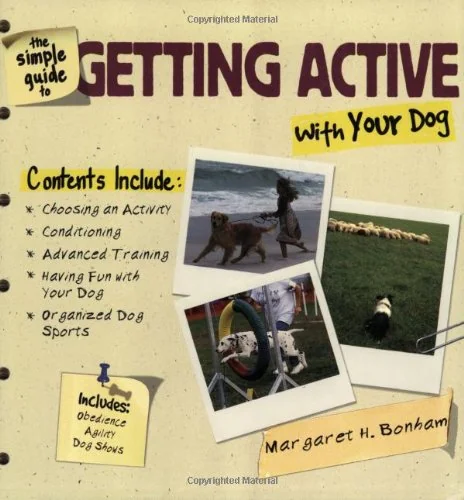
- Readers who value Zak George's holistic, relationship-focused approach may also enjoy The Art of Raising a Puppy by the Monks of New Skete, another comprehensive guide that emphasizes understanding a dog's nature from the earliest stages. Patricia B. McConnell's The Other End of the Leash offers a deeper behavioral science perspective on the human-dog relationship, making it a strong complement for readers who want more academic grounding. For those interested in the physical and activity side of dog ownership, The Simple Guide to Getting Active With Your Dog by Margaret H. Bonham expands on the exercise and enrichment themes George addresses in his later chapters. Cat owners in the household may also find value in Total Cat Mojo by Jackson Galaxy, which applies a similarly personality-driven, positive approach to feline behavior.
- Is positive reinforcement really effective?
- The book positions positive reinforcement as both scientifically informed and practically accessible, tailoring techniques to a dog's unique traits and energy level rather than applying a uniform regimen. The endorsement from Dr. Ian Dunbar — veterinarian, animal behaviorist, and founder of the Association of Professional Dog Trainers — lends significant credibility to the approach, with Dunbar specifically citing 'practical tips, tricks, and fun games' that enrich dogs' lives. In the broader training landscape, the book occupies a deliberate middle ground: science-backed and positive, but written for general audiences rather than professionals or academics.
- How does the YouTube tie-in work?
- Each chapter is paired with corresponding videos from George's YouTube channel, Zak George's Dog Training Revolution — described as the number-one destination for dog training video content in the world — so readers can watch advice demonstrated in real time rather than relying solely on the written text. This integration is a meaningful structural advantage over purely text-based guides, effectively turning the book into a hybrid print-and-video resource. The one limitation: it creates a mild dependency on external content remaining accessible, which is worth noting for anyone planning to use the book as a fully standalone printed reference long after its 2016 publication.
- Is this a good book club pick?
- As a practical how-to guide rather than a narrative or ideas-driven work, Zak George's Dog Training Revolution is less suited to traditional book club discussion than to shared use among a group of dog owners tackling training together. Its accessible, chapter-driven structure and YouTube video integration make it well-suited for informal study groups or new-owner cohorts — for example, friends who have recently adopted dogs and want a common framework to reference. Those looking for a more thematically rich or debate-generating read on the human-dog relationship might find Patricia B. McConnell's The Other End of the Leash a stronger book club choice.
Summarize this book
Follow up
Synthesized from verified book data & published reviews · How we review
Press Enter to ask. Answers come from our editorial Q&A — start typing to see related questions.
Our Review
What the Book Actually Contains
Significance and Place in the Genre
Strengths Noted by Sources
Genuine Limitations to Consider
Who This Book Is For
Sources & Further Reading
The key facts and claims in this review are grounded in the retrieved, verified sources listed below.
- Cited in this review
- 1
- 2
- 3
- Further reading
- 4
- 5
- 6
Age & Reading Level
Recommended age
Adult
Reading level
Adult
who it suits
Skip if you're looking for advanced, specialist, or competition-level dog training depth rather than a comprehensive introductory guide.
Reader reviews
No reader reviews yet
Read it? Be the first to say what you thought.
Books like Zak George's Dog Training Revolution
Curated picks for readers who enjoyed Zak George's Dog Training Revolution, with our reasoning for each match.
If you liked Zak George's Dog Training Revolution