
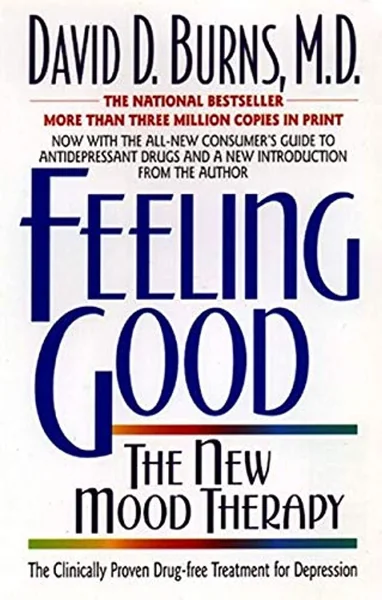
A historically significant introduction to CBT that remains useful for understanding cognitive distortions and mood management, though its dated approach and oversimplified view of depression limit its effectiveness for modern readers dealing with complex mental health challenges.
What works
• Translates complex psychological research into practical language that general readers can understand and apply
• Provides concrete workbook sections with worksheets for tracking mood changes, identifying trigger situations, and restructuring distorted thinking
• Makes CBT principles accessible to readers who can't afford or access mental health services through step-by-step approach
• Offers systematic method for challenging automatic thoughts with a concrete framework based on well-established therapeutic principles
What doesn't
• Occasionally oversimplifies the complexity of mental health treatment and presents CBT as a cure-all
• Shows its age with dated case studies, cultural references, and lack of cultural sensitivity and trauma-informed care awareness
• Adopts a sometimes dismissive attitude toward medication and can minimize the severity of clinical depression
• Writing style can be preachy and overly enthusiastic, which may alienate readers dealing with serious mental health struggles