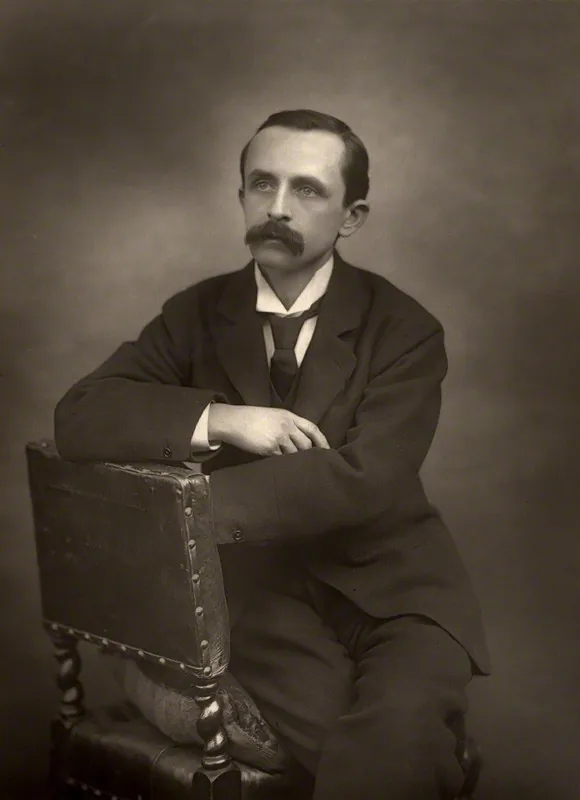
J. M. Barrie
1
Books ReviewedJ. M. Barrie books in order
11 books; 1 reviewed on LuvemBooks. Dates and covers from Amazon.
 1991Our review →
 1995Peter Pan and Other PlaysAmazon ↗
 2004Peter Pan and WendyAmazon ↗
 2009Peter Pan in Kensington Gardens and Peter and WendyAmazon ↗
 2009Classic Starts®: Peter PanAmazon ↗
 2011The Annotated Peter PanAmazon ↗
 2013The Little White BirdAmazon ↗
 2013The Little White Bird - Illustrated by Arthur RackhamAmazon ↗
 2021Illustrated Peter Pan: Peter PanAmazon ↗
 2021Peter and WendyAmazon ↗
 2022MY LADY NICOTINEAmazon ↗
Ask LuvemBooks about J. M. Barrie
- Where should I start?
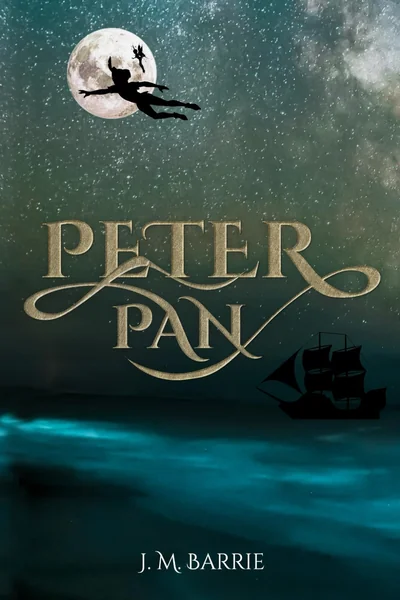
- With only one reviewed title on LuvemBooks, the starting point is straightforward: Peter Pan (Illustrated): The 1911 Classic Edition is the definitive prose version of Barrie's story and the text he considered the canonical novelisation. The illustrated edition enhances the original 'Peter and Wendy' text with period artwork, making it a particularly good entry point for readers who want the full imaginative atmosphere Barrie intended. Its 4.4-star Amazon aggregate across more than 500 ratings suggests it holds up well for both new readers and those returning to the story in adulthood.
- What's their writing style?
- Barrie writes in a conspiratorial, conversational prose that frequently breaks the fourth wall — he addresses the reader directly, as though both author and audience are adults quietly observing children at play. This narrative self-awareness creates an ironic distance that lets him say genuinely unsettling things about childhood, mortality, and forgetting without ever abandoning the tone of a bedtime story. His sentences tend toward the whimsical on the surface, but the emotional undertow is persistent; Neverland is as much a place of loss as of adventure. This layered quality is what has kept his best work in serious literary discussion alongside its popular life.
- Books we've reviewed
- LuvemBooks has reviewed one J. M. Barrie title to date: Peter Pan (Illustrated): The 1911 Classic Edition, the prose novelisation of Barrie's famous stage play, presented with period illustrations and rated 4.4 out of 5 on Amazon by over 500 readers.
- What genre do they write?
- Barrie worked primarily in two forms: stage plays and prose fiction. Peter Pan places him in the classical fantasy tradition, but his work resists a clean genre label — it is simultaneously children's literature, literary fantasy, and psychological allegory. His plays, meanwhile, range from social comedy to supernatural drama. Readers who enjoy Victorian and Edwardian classics with a fantastical dimension are usually the most natural fit for his writing.
- What should I read after Peter Pan?
- If you want to stay with Barrie himself, his play 'Dear Brutus' (1917) is the most thematically adjacent work — it uses a magical forest to ask whether people would make different choices if given a second chance, revisiting his preoccupation with paths not taken and the impossibility of return. For authors in a similar register, Kenneth Grahame's 'The Wind in the Willows' and E. Nesbit's fantasy novels share the Edwardian children's classic tradition and hold up equally well for adult readers.
Who is J. M. Barrie?
Follow up
Synthesized from verified book data & published reviews · How we review
Press Enter to ask. Answers come from our editorial Q&A — start typing to see related questions.
Authors Like J. M. Barrie
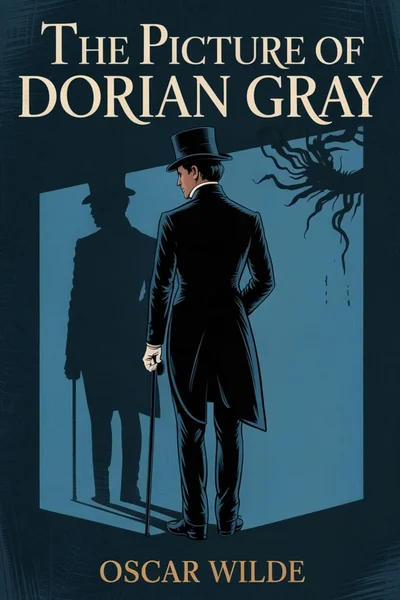
Oscar Wilde
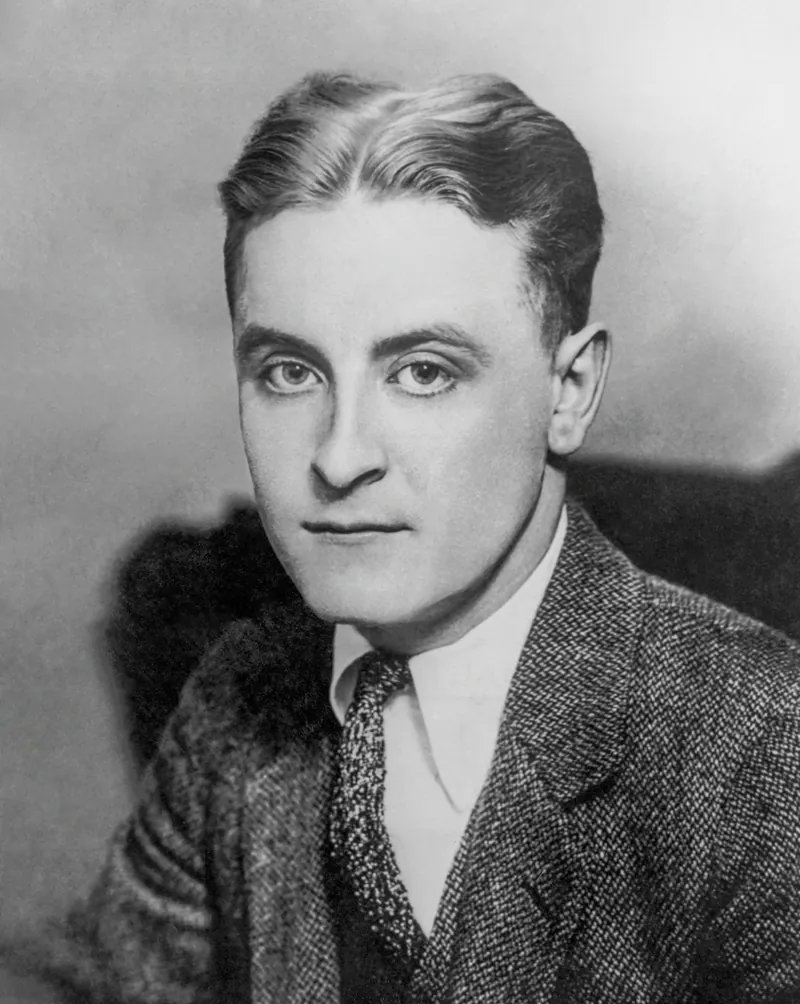
F. Scott Fitzgerald
Francis Scott Key Fitzgerald, widely known as F. Scott Fitzgerald or simply Scott Fitzgerald, was an American novelist, essayist, and short story writer.
1 book reviewed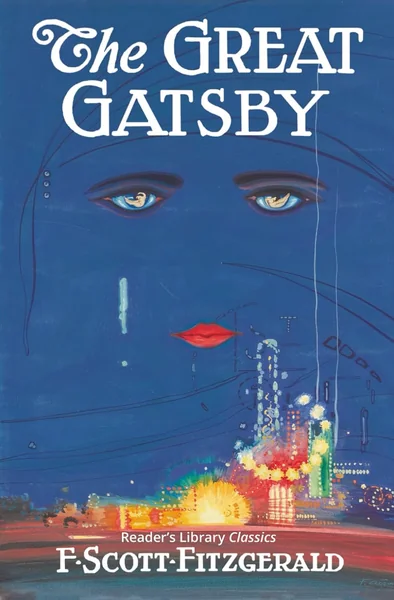
John Milton
John Milton was an English poet, polemicist, and civil servant.
1 book reviewed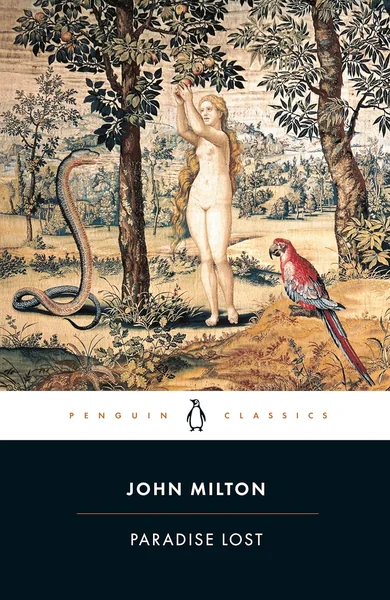
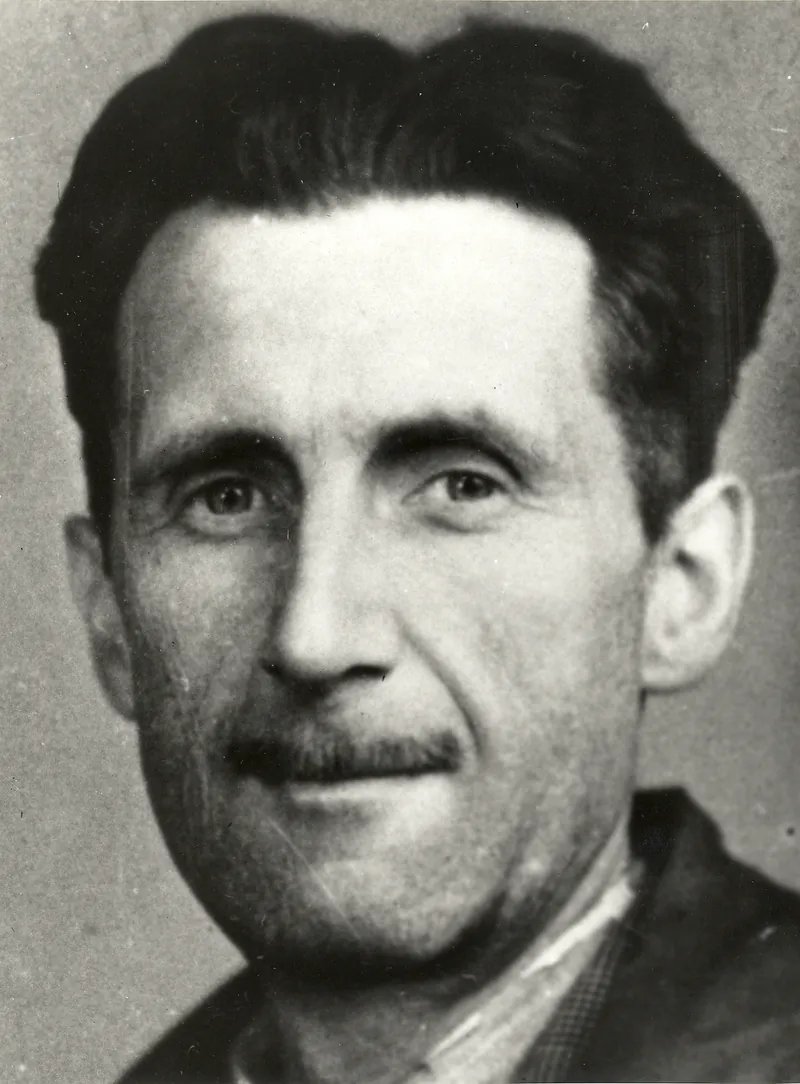
George Orwell
Eric Arthur Blair was an English novelist, poet, essayist, journalist, and critic who wrote under the pen name of George Orwell.
1 book reviewed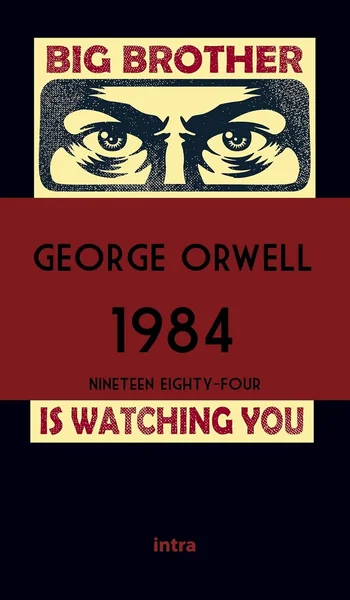
Fyodor Dostoevsky
Fyodor Mikhailovich Dostoevsky was a Russian philosopher, novelist, short-story writer, essayist, and journalist.
1 book reviewed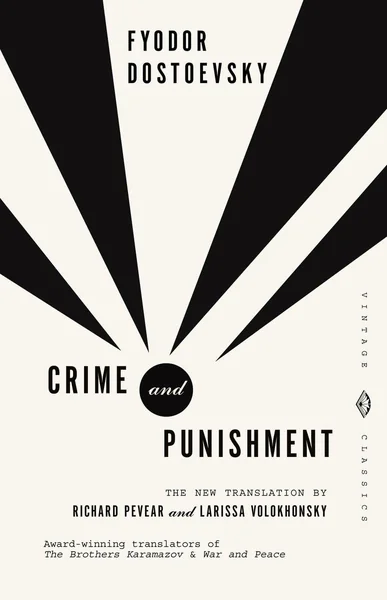
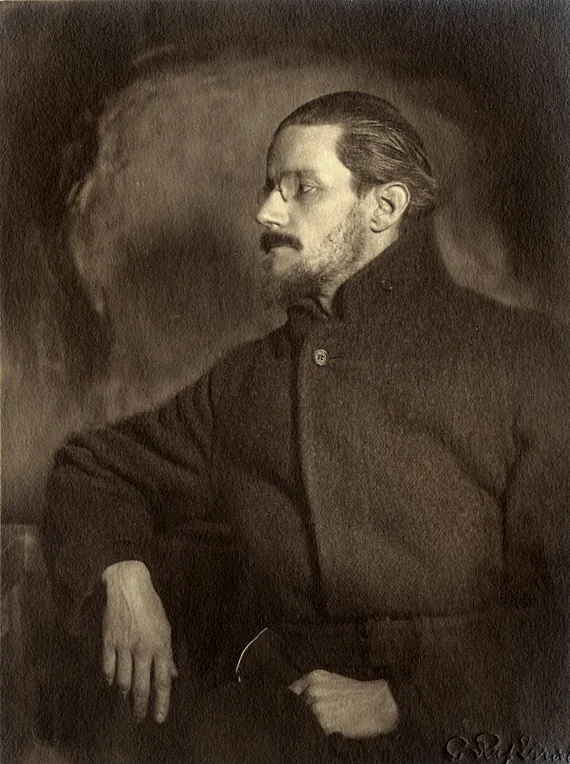
James Joyce
James Augustine Aloysius Joyce was an Irish novelist, poet, and literary critic.
1 book reviewed